



Collagen for mature skin: what actually works after 35
Short answer: oral collagen peptides can genuinely improve skin hydration and elasticity when taken at trial-tested doses for at least 8 to 12 weeks. Topical collagen creams help with surface hydration and a smoother look, but they cannot rebuild lost volume the way medical treatments can. If you want results without wasting money, here’s where to start:
- Trial a bioactive collagen supplement (5 to 10g daily) for a minimum of 8 to 12 weeks before judging it
- Apply sunscreen every morning, non-negotiably, since UV exposure undoes collagen gains faster than any supplement builds them
- Pair your supplement with a proper moisturiser containing humectants, not just a “collagen cream” claim on the label
Key Takeaways
Collagen for mature skin works best as a combined approach: oral peptides for structural support, topical creams for surface hydration, and sunscreen protecting both from daily UV damage.
| Point | Details |
|---|---|
| Give oral collagen 8 to 12 weeks | Trials measuring hydration, elasticity and wrinkle depth used this minimum window before results appeared. |
| Match dose to trial evidence | Look for 2.5 to 10g daily of hydrolysed collagen peptides, ideally with added vitamin C. |
| Treat topical creams as surface support | They hydrate and smooth but cannot replace collagen lost deeper in the dermis. |
| Reserve procedures for volume loss | Microneedling, lasers, and fillers work through different mechanisms and suit deeper structural concerns. |
| Choose a formula suited to your skin type | M-shop’s Celia 40+ range offers rich, semi-rich, and lightweight collagen creams to pair with any oral supplement trial. |
This article is general information, not a substitute for advice from a qualified doctor. Consult a qualified healthcare professional about your own circumstances before acting on anything here.
Table of Contents
- How collagen keeps mature skin firm and hydrated
- What do clinical trials show about collagen and dosage?
- Can topical collagen actually reach the dermis?
- Building a daily routine that actually supports collagen
- Medical procedures that stimulate deeper collagen production
- Which approach gives the best results for the risk involved?
- How to choose a genuinely good collagen supplement
- What side effects should you watch for?
- Cost considerations across collagen-boosting options
- Why the collagen conversation gets oversimplified
- Where Celia collagen creams fit into your routine
- Sources
How collagen keeps mature skin firm and hydrated
Collagen is the structural protein that keeps skin taut, springy, and able to hold moisture. It sits in the dermis alongside elastin, forming a scaffold that resists sagging and creasing. From your mid-thirties onwards, that scaffold thins.
Sun exposure, smoking, alcohol, and poor sleep all accelerate the breakdown. UV radiation is the biggest accelerant of the lot, activating enzymes called matrix metalloproteinases that chew through existing collagen fibres. That’s why a strong sunscreen habit matters more than almost any cream or supplement you’ll read about below.
Hydrolysed collagen, also called bioactive collagen peptides, is broken down into smaller chains that the gut absorbs more readily than intact collagen protein. Mechanistic research suggests that particularly small peptide fragments, those under 3 kDa with higher hydroxyproline content, are more likely to signal fibroblasts (the cells that manufacture new collagen and hyaluronic acid) into action. That’s the theoretical basis for why some peptide supplements outperform others, even at similar doses.
Pro Tip: Vitamin C is a required cofactor for collagen synthesis, not an optional extra. A supplement or diet lacking it may blunt results even at a good dose.
Diet matters too. The Harvard T.H. Chan School of Public Health notes that dietary collagen is broken down into amino acids during digestion, so supporting your body’s own production through balanced nutrition and lifestyle changes remains essential, supplements or not.
What do clinical trials show about collagen and dosage?
The clinical evidence for collagen for mature skin is more solid than most sceptics assume, though it comes with caveats worth taking seriously.
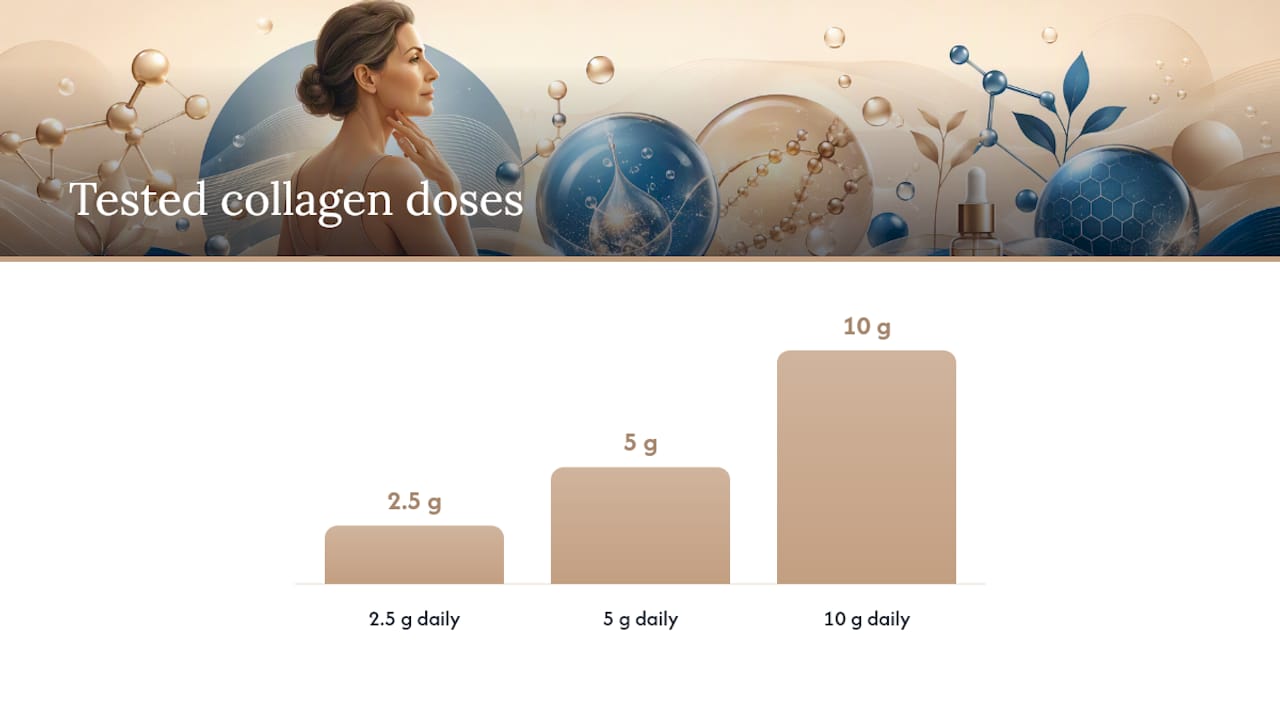
A randomised controlled trial of 119 women aged 35 to 55 tested 10g of bioactive collagen peptides daily for 12 weeks. The result was a statistically significant reduction in wrinkle number and length, alongside improved elasticity and hydration. That’s one of the stronger, more recent datasets specifically covering the age group this article is written for.
Other double-blind, placebo-controlled trials used lower doses, often 2.5 to 5g daily, and still recorded improved dermal density, hydration, and reduced transepidermal water loss by week 12, with some benefits persisting to week 16 after supplementation stopped.
- Trials showing benefit typically run 8 to 12 weeks minimum before measuring change
- Doses tested range from 2.5g to 10g daily, with higher doses generally linked to larger effects
- Sustained improvements at 16 weeks suggest a short course can outlast the supplement itself
Here’s the caveat that matters most. A systematic review and meta-analysis published in the American Journal of Medicine pooled 23 RCTs and 1,474 participants, finding overall improvements in hydration, elasticity, and wrinkles.
Subgroup analysis told a different story: trials not funded by supplement manufacturers, and those with higher methodological quality, showed smaller or no measurable effect.
That doesn’t mean collagen doesn’t work. It means the size of the benefit you should expect is probably more modest than marketing implies, and independently-funded research deserves more weight than a press release.
Can topical collagen actually reach the dermis?
No, not in any meaningful amount. Collagen molecules are too large to physically penetrate through the outer skin layer into the dermis, where your body’s own collagen lives and works. A “collagen cream” doesn’t insert new collagen into your skin structure. What it can do is sit on the surface, draw in moisture, and temporarily plump the look of fine lines.
That’s not nothing. Surface hydration genuinely improves how skin looks and feels, and several topical ingredients back it up with solid evidence:
- Peptides signal skin cells to behave as though repair is needed, encouraging some natural collagen activity at the surface level
- Retinoids remain one of the best-studied topical actives for stimulating cell turnover and thickening the dermis over months of consistent use
- Hyaluronic acid holds up to 1,000 times its weight in water, plumping the skin’s surface almost immediately
- Sunscreen prevents further collagen breakdown, which arguably makes it the single most important product in this list
Mayo Clinic dermatology experts are candid that evidence for oral or topical collagen supplements remains mixed, and that clinical procedures are more reliable when you need genuine structural volume restored, not just surface texture improved.
The sensible approach isn’t choosing one over the other. Pair a hydrolysed collagen supplement internally with a topical moisturiser and daily sunscreen externally, and you’re addressing both the structural and surface sides of the problem at once.
Building a daily routine that actually supports collagen
Consistency beats complexity here. A simple, repeatable routine outperforms an expensive one you abandon after three weeks.
- Morning: cleanse gently, apply an antioxidant serum (vitamin C works well alongside collagen synthesis), follow with a moisturiser containing humectants, then finish with sunscreen, applied generously and reapplied if you’re outdoors for long stretches.
- Evening: cleanse again, apply a retinoid if your skin tolerates it (start low, two or three nights a week), then layer a richer night cream suited to your skin’s dryness level.
- Daily supplement: take your chosen hydrolysed collagen consistently, ideally with food, and commit to at least 8 to 12 weeks before assessing whether it’s working.
When choosing a supplement, look for the words “hydrolysed collagen” or “collagen peptides” on the label rather than vague “collagen” claims, check whether it lists a dose in the 2.5 to 10g range used in trials, and favour products that include added vitamin C.
Pro Tip: Keep a simple monthly photo log in the same lighting. Collagen changes are gradual, and memory alone will trick you into thinking nothing’s happening.
See a clinician before starting supplementation if you’re pregnant or breastfeeding, taking medication that might interact, or if you notice any rapid, unexpected skin reaction. Beyond supplements, protecting the collagen you already have matters just as much: quitting smoking, moderating alcohol, and prioritising sleep all measurably slow collagen breakdown, according to nutrition and dermatology researchers at Harvard.
Medical procedures that stimulate deeper collagen production
When topical products and supplements aren’t enough, particularly for restoring lost volume or treating deeper lines, in-office procedures work through different mechanisms entirely.
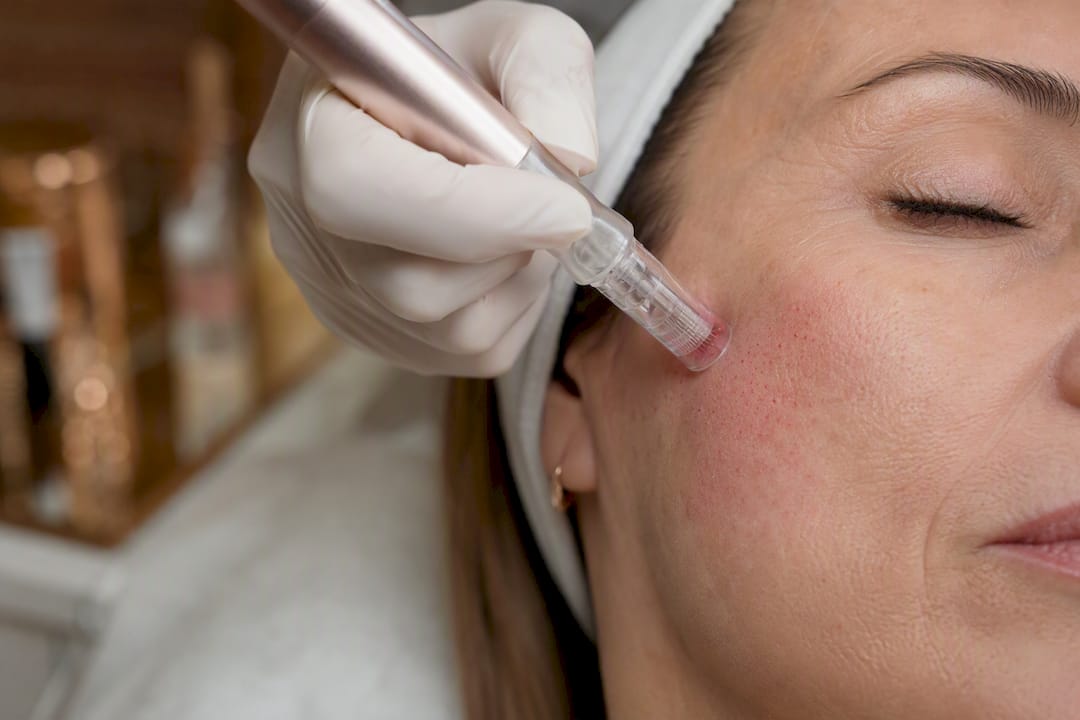
Microneedling creates controlled micro-injuries in the skin using fine needles, triggering the body’s wound-healing response and new collagen synthesis over several weeks. It’s typically done in a series of sessions, spaced a month or so apart, with visible improvement building gradually rather than overnight.
Laser therapy, particularly fractional lasers, heats deeper skin layers to stimulate collagen remodelling while leaving the surface largely intact. Downtime varies by intensity, from a day of redness to a week or more for more aggressive treatments.
Injectable dermal fillers work differently again. Rather than stimulating your own collagen, they physically add volume using substances like hyaluronic acid, giving immediate results that fade over months as the filler breaks down. Some newer filler types are specifically designed to also encourage a collagen response over time.
Radiofrequency and ultrasound treatments use energy to heat the dermis and trigger a tightening, collagen-stimulating effect, generally with less downtime than lasers but often more sessions needed for comparable results.
Mayo Clinic experts note that for genuine structural volume restoration, professional treatments outperform anything available over the counter. If you’re weighing these options, a proper consultation with a registered clinic, such as the treatment options outlined by Rivers Edge Skin Studio, is the right next step rather than guessing based on before-and-after photos online.
Which approach gives the best results for the risk involved?
Each route sits on a different point of the effort-to-reward scale, and none of them replace the others outright.
Topical products are the lowest-risk, lowest-cost tier. Side effects are rare beyond occasional irritation from actives like retinoids, and the ceiling on results is modest, mostly surface hydration and texture.
Oral collagen supplements sit in the middle. Trial evidence shows measurable improvement in hydration, elasticity, and wrinkle depth at 5 to 10g daily doses over 8 to 12 weeks, though as the American Journal of Medicine meta-analysis found, independently-funded and higher-quality trials report smaller effects than industry-funded ones. Risk is low; most people tolerate collagen peptides well, with mild digestive upset the most common complaint.
Medical procedures carry the highest cost and the most meaningful risk profile, but also the most dramatic and reliable results for structural change. Microneedling and laser therapy both carry risks of temporary redness, pigment changes (particularly on darker skin tones without an experienced practitioner), and rare infection. Fillers carry risks around lumps, asymmetry, or in very rare cases, vascular complications if injected incorrectly.
The realistic strategy for most readers over 35 combines all three tiers rather than picking one: daily sunscreen and a good topical routine as the foundation, an oral collagen supplement as a reasonable mid-tier addition, and medical procedures reserved for when volume loss or deep lines need more than either can offer.
How to choose a genuinely good collagen supplement
Not all collagen supplements are equal, and label literacy saves you money.
Type matters. Type I collagen is the dominant type in skin and is what most skin-focused supplements target; marine and bovine sources both provide it, with marine collagen often marketed as having smaller peptide chains, though absorption depends more on processing than source animal.
Molecular weight matters more than marketing. Mechanistic research indicates that smaller peptide fragments, particularly those under 3 kDa with higher hydroxyproline content, are more readily absorbed and more likely to stimulate fibroblast activity. Few brands disclose this figure, so it’s worth seeking out ones that do.
Formulation extras earn their place when they include vitamin C, a required cofactor for collagen synthesis your body cannot skip. Products lacking it may simply perform less effectively regardless of dose.
Sourcing and transparency are reasonable proxies for quality. A brand that clearly states dose, source, and peptide profile is generally more trustworthy than one relying on vague “clinically proven” language with no citation.
Dose range should sit within the 2.5 to 10g daily bracket used in the trials discussed earlier. Anything markedly lower is unlikely to replicate published results, whatever the packaging implies.
What side effects should you watch for?
Oral collagen peptides have a strong safety record across the trials reviewed here, but “generally well tolerated” isn’t the same as “risk-free” for everyone.
Mild digestive symptoms, bloating, mild heartburn, or a lingering aftertaste are the most commonly reported issues, usually resolving as your body adjusts. Some supplements are derived from fish, shellfish, or bovine sources, so allergy status matters before you buy, particularly with marine collagen.
Anyone pregnant, breastfeeding, or managing a chronic condition should check with a GP before starting a new supplement, since most trials excluded these groups and safety data specific to them is limited. The same caution applies to topical retinoids: they’re not recommended during pregnancy, and starting too aggressively on any skin, especially skin already thinned by age, can trigger irritation, peeling, or increased sun sensitivity.
Medical procedures carry their own distinct risk profile. Microneedling and laser treatments can cause temporary redness, swelling, or in rare cases pigment changes, particularly for darker skin tones treated by an inexperienced practitioner. Fillers carry a small risk of lumps, asymmetry, or, rarely, vascular complications. None of this should discourage a considered decision, but it does mean choosing a registered, experienced practitioner is not a step to skip.
Cost considerations across collagen-boosting options
The price gap between these three tiers is enormous, and understanding it helps set realistic expectations for what you’re actually paying for.
Topical creams are the most accessible entry point, typically ranging from budget-friendly to mid-range depending on formulation and brand, with no ongoing professional fees attached. Oral collagen supplements sit a tier up, usually requiring a repeat monthly spend since benefits depend on consistent daily use over months, not a single purchase.
Medical procedures are the biggest financial commitment by far. A single microneedling session, laser treatment, or filler appointment typically costs considerably more than months of topical products or supplements combined, and results from microneedling or laser often require multiple sessions to reach their full effect. Fillers also need periodic top-ups every several months to a year as the material breaks down.
The practical takeaway: most readers get the best value starting with the lowest-cost tier, a proper topical routine and sunscreen, adding an oral supplement as a modest but evidence-backed second layer, and reserving medical procedures for specific concerns that topical and oral options genuinely cannot address, like significant volume loss.
Why the collagen conversation gets oversimplified
Most advice on collagen for mature skin falls into one of two unhelpful camps: outright dismissal (“it’s all marketing”) or blanket endorsement (“just take collagen and you’ll look ten years younger”). Neither holds up against the actual trial data.
The honest position is that collagen supplementation works, modestly, for some people, at specific doses, over a specific timeframe, and the size of that effect shrinks somewhat once you strip out industry-funded studies. That’s not a reason to dismiss it. It’s a reason to set expectations correctly and judge results at week 12, not week two.
What conventional advice consistently underplays is the sun protection piece. Readers will spend money on a premium serum while skipping sunscreen on a cloudy day, which undoes far more collagen than any product replaces. If I had to prioritise one change for someone over 35, it wouldn’t be a supplement at all. It would be consistent daily sun protection paired with a topical routine that actually suits their skin type, with an oral collagen trial as a considered addition once those basics are locked in.
— Krzysztof
Where Celia collagen creams fit into your routine
Getting the internal side right, sunscreen, supplement, patience, is only half the picture. The topical layer still needs to suit your specific skin, and that’s where choosing the right formulation actually matters. M-shop stocks three Celia 40+ collagen creams, each built for a different skin need rather than a one-size-fits-all approach.

If your skin runs on the drier side, the Celia Collagen + Vitamines 40+ rich anti-wrinkle cream gives a heavier, more occlusive texture designed to hold moisture through the day. For normal to combination skin, the Celia Collagen + Algae 40+ lightweight moisturising cream delivers hydration without feeling heavy. For mature skin generally, particularly if you want something between the two, the Celia Collagen + Olive 40+ semi-rich cream balances both.
Pair whichever Celia cream suits your skin with a considered trial of an oral collagen supplement, and you’re covering both the surface and structural sides of the routine discussed throughout this article. Browse the full Celia collagen range to find your match.
Sources
- Immune-Modulatory Effects of Bioactive Collagen Peptides Improve Skin Health in Middle-Aged Women
- The sustained effects of bioactive collagen peptides on skin health: a randomised, double-blind, placebo-controlled clinical study
- Effects of collagen supplements on skin aging: a systematic review and meta-analysis of randomised controlled trials
- Mayo Clinic Q & A: Does collagen really help fight wrinkles and aging?
Recommended
- Collagen skincare for men: what actually works – M-Shop.UK
- Celia - Collagen + Vitamines 40+ - RICH anti-wrinkle CREAM for dry and – M-Shop.UK
- Celia - Collagen + Olive 40+ - SEMI-RICH anti-wrinkle CREAM for mature – M-Shop.UK
- Eveline Hyaluron Clinic B5 Concentrated Anti-Wrinkle Cream 60+ for Day – M-Shop.UK