



Polish lip care products types: your UK guide
Polish lip care products fall into several distinct categories, each designed to address a specific stage of lip health. From everyday balms to intensive overnight masks, the range of Polish lip care products types available to UK shoppers is broader than most people realise. Understanding these categories helps you build a routine that actually works, rather than reaching for the same basic balm every day and wondering why your lips are still dry. Polish cosmetics brands are well known for their use of natural ingredients, including hyaluronic acid, shea butter, and plant-based oils, making them a strong choice for anyone serious about lip care.
What are the main types of Polish lip care products?
Lip balms dominate the global lip care market with a 44.2% revenue share, valued for their daily convenience and broad appeal. That figure tells you something important: most people reach for a balm first, but the category has evolved well beyond a simple stick of wax. Polish lip care now spans balms, scrubs, serums, oils, and treatment masks, each with a distinct function in a skincare routine.
The three core ingredient types found across all these product categories are humectants, emollients, and occlusives. Humectants attract moisture, emollients smooth the skin surface, and occlusives form a barrier to prevent moisture loss. Balancing all three is the foundation of effective lip care, whether you are using a lightweight serum or a heavy overnight mask.
1. Classic and tinted lip balms
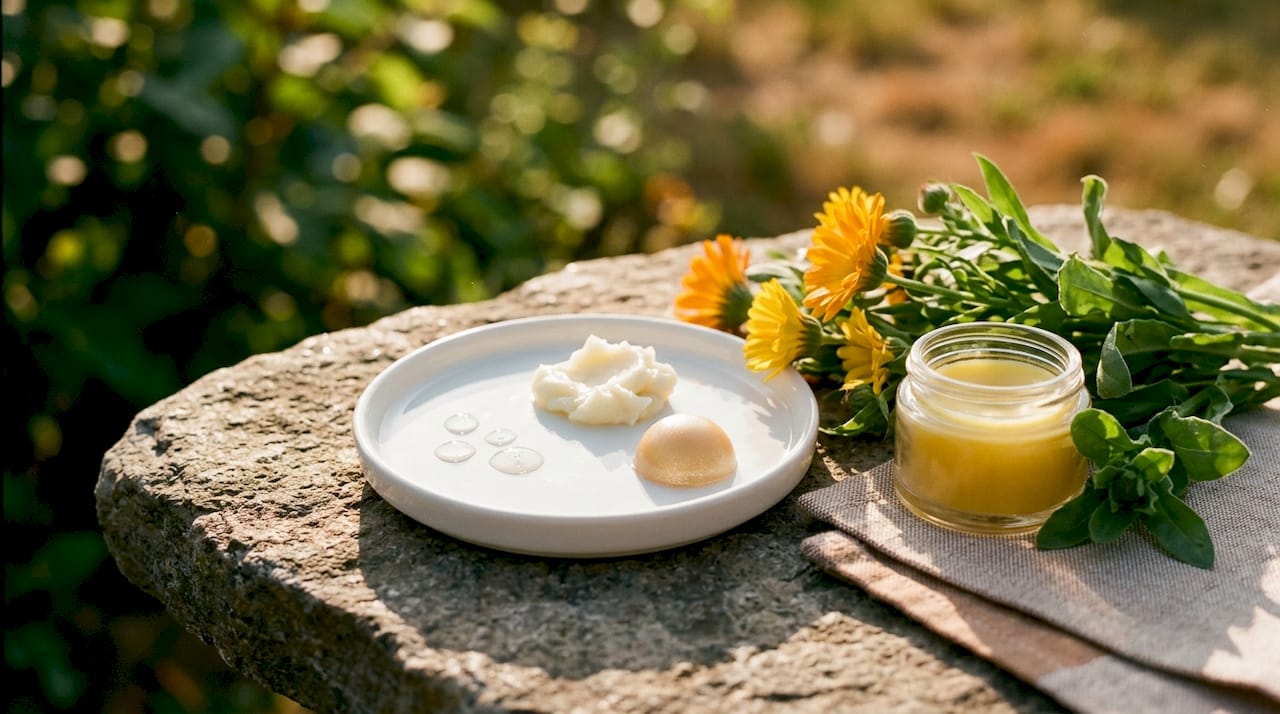
Lip balms are the entry point for most people exploring Polish lip care products. The classic wax-based formula uses beeswax or carnauba wax as the primary occlusive, sealing moisture against the lip surface and protecting against wind and cold. This makes them particularly useful for UK winters, when lips take a beating from low temperatures and central heating.
Polish balms often go further than basic occlusives. Many formulations include:
- Shea butter for emollient softening
- Ceramides to rebuild the moisture barrier
- Petrolatum for heavy-duty occlusion on severely chapped lips
- SPF filters for daytime sun protection
- Tints for a hint of colour alongside hydration
Tinted balms are a practical choice for anyone who wants low-maintenance colour without the drying effect of traditional lipstick. SPF-included balms are underused in the UK despite the fact that UV exposure affects lips year-round, not just in summer.
Pro Tip: Use a lightweight balm with shea butter during the day and switch to a petrolatum-based formula at night. The heavier occlusive works best during sleep when your lips are not constantly exposed to air and movement.
2. How do lip scrubs work and why are they growing in popularity?
Lip scrubs remove dead skin cells from the lip surface, improving both texture and the absorption of products applied afterwards. Natural exfoliants like fine sugar crystals are preferred over synthetic beads, which can be too abrasive and are increasingly restricted under environmental regulations. Polish brands have leaned into this preference, with sugar-based scrubs becoming a staple in their lip care ranges.
The lip scrub segment is forecast to grow at a CAGR of 5.6% from 2026 to 2030. That growth reflects a wider shift towards multi-step lip routines, where exfoliation is treated as a necessary first step rather than an occasional treat.
Key benefits of using a lip scrub regularly include:
- Smoother lip texture within days of consistent use
- Better absorption of serums and balms applied after exfoliation
- Improved microcirculation in the lip area
- Removal of flaking skin that makes lips look dry even when hydrated
Pro Tip: Exfoliate your lips no more than twice a week. Over-exfoliating strips the delicate lip skin and can cause irritation. Apply gentle circular pressure and always follow with a balm or serum.
3. What benefits do Polish lip serums and oils offer?
Lip oils provide deep hydration with plant-based ingredients such as jojoba, almond, and coconut oil, offering a lightweight feel that penetrates the skin rather than sitting on top of it. This is the key difference between oils and traditional wax-based balms. Balms seal the surface; oils feed the skin beneath it.
Polish lip serums take this further by incorporating humectants such as hyaluronic acid alongside the plant oils. Hyaluronic acid draws water into the lip tissue from the surrounding environment, which means the hydration effect is active rather than passive. Vitamin E, a common addition in Polish formulations, adds antioxidant protection and supports skin repair.
Lip oils and serums absorb quickly, making them ideal for daytime use. Heavier treatment balms and masks are best reserved for overnight application, where occlusion prevents moisture loss during sleep.
The texture of lip oils and serums is also a practical advantage. They do not feel sticky or heavy, which makes them comfortable under lip colour or on their own throughout the day. For anyone who finds traditional balms too thick or greasy, a Polish lip serum is a genuinely better daily option.
4. What are specialised lip masks and treatment products?
Lip masks are the most intensive category in Polish lip care. They combine humectants, emollients, and occlusives in a single formula designed for deep restoration, typically applied before sleep and left on overnight. The multi-ingredient approach is what separates a treatment mask from a standard balm.
Key ingredients found in Polish lip masks include:
- Ceramides to rebuild the skin’s moisture barrier at a structural level
- Glycerin as a powerful humectant that draws water into the tissue
- Hyaluronic acid for sustained hydration throughout the night
- Petrolatum or beeswax as the occlusive layer that locks everything in
Lip masks are the right choice for severe dryness, chapped lips in winter, or lips that have become dehydrated through frequent use of matte lip products. Ceramides rebuild the moisture barrier in a way that basic occlusive balms cannot, which is why a one-product approach rarely solves chronic dryness. The Regenerum Regenerating Lip Serum available at M-shop is one example of a Polish product that addresses this multi-layer need directly.
5. How to choose the right Polish lip care product for your needs
Choosing between Polish lip care product types comes down to two questions: how dry are your lips, and when are you applying the product? The answers point you to a specific category every time.
| Product type | Hydration depth | Best use time | Texture | Key ingredient focus |
|---|---|---|---|---|
| Classic lip balm | Surface level | Day or night | Waxy, moderate | Beeswax, shea butter |
| Tinted or SPF balm | Surface level | Daytime | Light to moderate | SPF filters, tints |
| Lip scrub | Preparatory | 1–2 times weekly | Gritty, rinse-off | Sugar crystals |
| Lip serum or oil | Mid-layer | Daytime | Lightweight, non-sticky | Hyaluronic acid, plant oils |
| Lip mask | Deep restoration | Overnight | Rich, occlusive | Ceramides, glycerin, petrolatum |
Sustainable beauty trends are also worth factoring into your choice. Consumers increasingly prioritise natural, fragrance-free formulas and sustainable packaging. Polish brands have responded with cleaner ingredient lists and refillable formats, which aligns well with the preferences of UK shoppers who are paying closer attention to what goes on their skin.
Pro Tip: Layer a hyaluronic acid serum under a wax-based balm for long-lasting moisture. Applying a humectant serum before an occlusive balm seals the water into the lip tissue rather than letting it evaporate.
For anyone exploring Polish sensitive skin products more broadly, the same layering logic applies across your full skincare routine, not just your lips.
Key takeaways
Polish lip care works best when you match the product type to your specific need, using lightweight serums for daily hydration and intensive masks for overnight repair.
| Point | Details |
|---|---|
| Lip balms lead the market | Balms hold 44.2% market share, making them the most widely used lip care format. |
| Scrubs prepare the skin | Exfoliating 1–2 times weekly improves absorption of all products applied afterwards. |
| Serums and oils hydrate actively | Plant oils and hyaluronic acid penetrate the skin rather than just sealing the surface. |
| Masks treat severe dryness | Overnight lip masks with ceramides and glycerin rebuild the moisture barrier at a structural level. |
| Layering delivers the best results | Applying a humectant serum before an occlusive balm locks moisture in for longer. |
Why I think most people are using Polish lip care products in the wrong order
Most people pick one lip product and use it for everything. I understand the appeal of simplicity, but it is the single biggest mistake I see in lip care routines. A good balm applied to unexfoliated lips is like painting over flaking plaster. The product sits on top of dead skin rather than reaching the tissue that actually needs it.
My own routine starts with a sugar-based scrub twice a week, followed immediately by a Polish lip serum while the skin is still slightly damp. That sequence makes a visible difference within a week. The serum absorbs into freshly cleared skin, and the balm I apply on top seals everything in. I have tried reversing the order and the results are noticeably worse.
The other thing I would push back on is the idea that lip masks are only for winter. I use one year-round, particularly after long days in air-conditioned offices or after wearing matte lip products, which are genuinely dehydrating. Natural plant oils have transformed what a modern lip care routine can achieve, and Polish brands are ahead of many others in combining them with functional actives like ceramides and hyaluronic acid.
Sustainability matters to me too. I actively look for Polish brands that use fragrance-free formulas and minimal packaging. The clean beauty direction in Polish cosmetics is not a marketing trend. It reflects a genuine shift in how these products are formulated, and UK shoppers are right to take it seriously.
— Krzysztof
Polish lip care from M-shop: what’s worth trying
M-shop brings a carefully selected range of authentic Polish lip care products directly to UK customers, with shipping from Poland and a family-run approach that prioritises quality over volume.
The range includes lip serums, treatment balms, and multi-ingredient products that cover every category discussed here. Products like the Regenerum Lip Serum address the multi-layer hydration needs that a basic balm cannot meet. For those interested in broader Polish skincare, the Celia Collagen Cream shows the same ingredient philosophy applied to facial care. M-shop regularly offers up to 15% off during sales, making it straightforward to try several product types without a significant outlay. Browse the full range at m-shop.uk to find the right Polish lip care products for your routine.
FAQ
What are the main types of Polish lip care products?
Polish lip care products fall into five main categories: classic balms, tinted or SPF balms, exfoliating scrubs, lightweight serums and oils, and intensive overnight masks. Each type addresses a different level of hydration need.
How often should I use a lip scrub?
Exfoliate your lips once or twice a week using a sugar-based scrub. More frequent use can irritate the delicate lip skin and strip its natural moisture.
Are lip serums better than lip balms?
Lip serums and oils hydrate actively by penetrating the skin, while balms work by sealing the surface. The most effective approach combines both: apply a serum first, then seal it in with a balm.
What ingredients should I look for in a Polish lip mask?
Look for ceramides, glycerin, hyaluronic acid, and petrolatum. These four ingredients work together to rebuild the moisture barrier, attract water into the tissue, and prevent overnight moisture loss.
Are Polish lip care products suitable for sensitive lips?
Polish brands frequently formulate with natural ingredients and fragrance-free options, making them well suited to sensitive skin. Check the label for fragrance-free and hypoallergenic claims if your lips react easily.