



Polish bath products types UK: your 2026 guide
Polish bath products are defined by four core categories: exfoliating body polishes, hydrating oils, mineral bath salts, and cleansing soaps. Each category serves a distinct function in a skincare routine, and the UK market for these products has grown steadily as more people seek affordable alternatives to high-end spa treatments. The bath and shower market is segmented into cleansing, exfoliating, hydrating, and immersive experience categories, with growth projected well into 2035. Polish bath products types UK buyers are most interested in span all four of these segments, making Poland one of the more versatile sources for bath and body care in Britain. Brands like Bielenda and Ziaja have built strong reputations for combining natural ingredients with accessible price points.
1. What are the main types of Polish bath exfoliating products?
Exfoliating products are the most varied category in the Polish bath range. They work by removing dead skin cells, which improves texture, brightens tone, and prepares the skin to absorb moisturisers more effectively.
The three main types you will find are:
- Foaming body polishes. These use biodegradable jojoba wax beads as the exfoliating agent, making them suitable for daily use without the micro-plastic concerns associated with older formulas. Grapefruit and ginger extracts are common additions for brightening dull skin.
- Sugar scrubs. Sugar dissolves on contact with water, which makes these gentler than salt or nut-shell scrubs. Polish brands often combine sugar with plant oils, so you exfoliate and moisturise in a single step.
- Enzymatic exfoliants. These use AHAs and papain rather than physical particles to dissolve dead skin. The Bielenda Professional enzymatic fine grain scrub with papain is a strong example of this approach, offering chemical exfoliation that is kinder to sensitive skin.
Each type suits a different skin concern. Physical scrubs give immediate smoothness. Enzymatic options work more gradually but carry less risk of irritation for reactive skin types.
Pro Tip: Apply foaming body polishes to damp skin rather than dry skin. Damp skin reduces friction, which means you get effective exfoliation without redness or over-stripping the skin barrier.
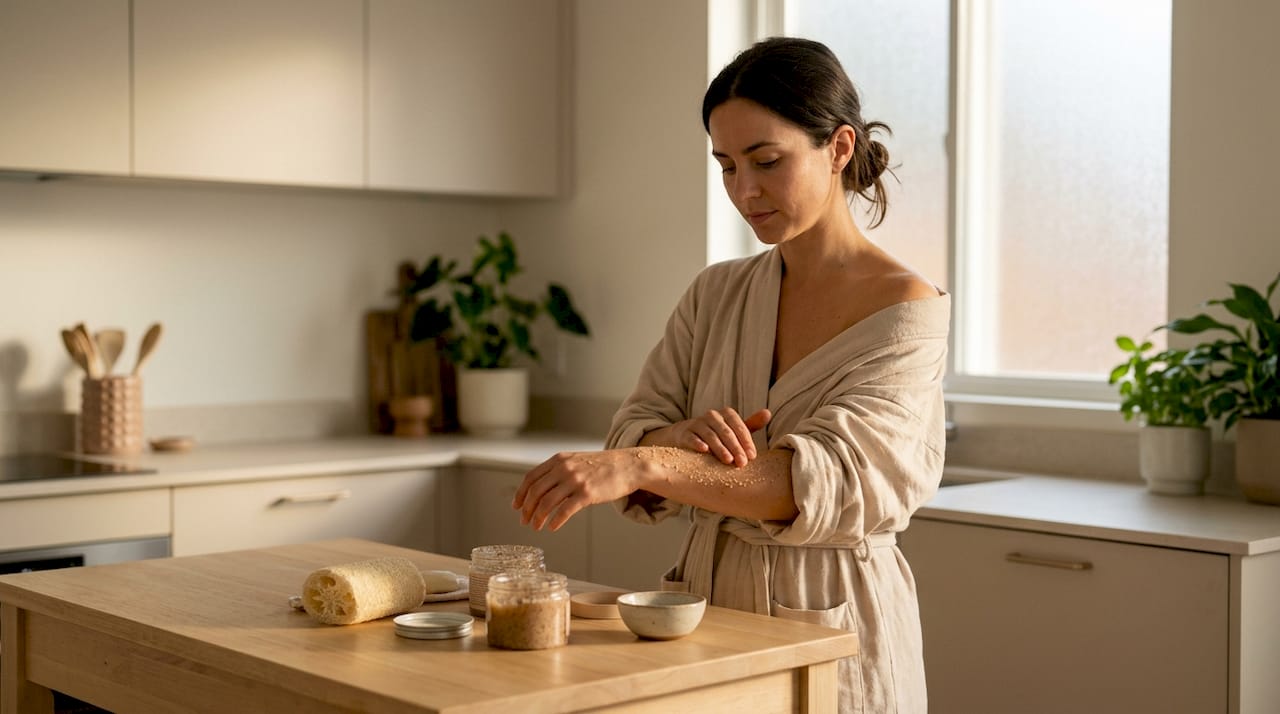
Body polishes also work as pre-shave treatments. Removing the keratin barrier before shaving gives a closer result and reduces the likelihood of ingrown hairs. This is a use that most people overlook entirely.
2. How do Polish hydrating bath products enhance skin health?
Hydrating bath products lock moisture into the skin during and immediately after bathing. This is the window when the skin is most receptive to nourishing ingredients, and Polish brands have developed a strong range of oils and lotions designed for this purpose.
Key hydrating product types include:
- Bath oils. These disperse in warm water and coat the skin as you soak. Natural ingredients such as shea butter, olive oil, apricot oil, and vitamin E are standard in quality Polish formulas. The Ziaja Med moisturising bath and shower oil is formulated specifically for atopic and sensitive skin, making it one of the more targeted options available in the UK.
- Body lotions and creams. Applied after bathing, these seal in the hydration gained from soaking. Polish pharmacy brands tend to use higher concentrations of active ingredients than many mass-market UK alternatives.
- Shower oils. A newer format that combines the cleansing function of a gel with the nourishing properties of an oil. These suit people who prefer showers to baths but still want the skin benefits of oil-based care.
Choosing the right hydrating product depends on your skin type. Dry and atopic skin benefits most from oil-rich bath soaks. Normal to combination skin responds well to lighter shower oils or post-bath lotions. Natural oils benefit skin by reinforcing the lipid barrier, which reduces water loss throughout the day.
Pro Tip: Add a few drops of bath oil to your towel before patting dry. The residual oil absorbs into the skin during drying, extending the moisturising effect without leaving a greasy finish.
3. What are the benefits of Polish bath salts and immersive additives?
Bath salts and bath bombs sit in the immersive experience category. Their primary purpose is relaxation, but the best Polish formulas deliver genuine skin benefits alongside the sensory experience.
Bath salts provide mineral benefits that aid muscle relaxation and skin nourishment. This matters because mineral absorption through warm water is more effective than through topical application alone. The Bielenda Professional foot bath salt with lime and mint is a well-regarded example, combining magnesium-rich salts with botanical extracts for both sensory and therapeutic effect.
Common immersive additives in the Polish bath range include:
- Mineral bath salts. Typically Himalayan pink salt or Dead Sea salt, often blended with essential oils and dried botanicals.
- Bath bombs. Effervescent tablets that release oils, colourants, and fragrance on contact with water. Polish versions tend to favour natural botanical extracts over synthetic fragrance.
- Herbal bath infusions. Loose or bagged herbal blends designed to steep in the bath like a large pot of tea. Chamomile, lavender, and calendula are the most common Polish choices.
The signature scents in Polish bath products lean towards pine, birch, and wildflower extracts, reflecting the country’s forested landscape and long tradition of herbal medicine. These are noticeably different from the citrus and tropical profiles that dominate mainstream UK bath ranges.
Pro Tip: For a home spa experience, combine a mineral bath salt soak with a sugar scrub applied before you step in. Exfoliate first, then soak for 15–20 minutes. Your skin will absorb the mineral benefits more effectively once the dead cell layer has been removed.
4. How do Polish bath soaps and cleansing products fit into your routine?
Cleansing products are the foundation of any bath routine. Polish brands offer a wider range of formats than most UK shoppers expect, from traditional cold-process bars to modern gel-cream hybrids.
The main cleansing formats are:
Solid bar soaps. Polish pharmacy brands like Biały Jeleń produce hypoallergenic natural soaps using plant-based surfactants and minimal additives. These suit sensitive skin and are popular as gifts because of their clean ingredient lists. Decorative shaped soaps maintain the same cleansing surfactants as standard bars, with the added value being primarily aesthetic, particularly for gifting or children.
Liquid shower gels. The most popular format in the UK market. Polish shower gels frequently include moisturising agents such as glycerin, aloe vera, or collagen, which reduces the drying effect common with cheaper gel formulas.
Gel-cream cleansers. A hybrid format that cleanses without stripping. The AA Oceanic fragrance-free cleansing gel-cream for atopic skin is a strong example, designed for people whose skin reacts badly to standard surfactants.
| Format | Strengths | Best suited for |
|---|---|---|
| Solid bar soap | Long-lasting, minimal packaging, concentrated formula | Normal to oily skin, eco-conscious buyers |
| Liquid shower gel | Easy to use, wide fragrance range, often moisturising | Most skin types, everyday use |
| Gel-cream cleanser | Gentle, hydrating, fragrance-free options available | Sensitive, atopic, or reactive skin |
The Polish bath product market in the UK increasingly emphasises natural, vegan-friendly formulas and recyclable packaging. This aligns with what UK shoppers now expect from personal care brands, and Polish manufacturers have adapted quickly to meet that demand.
5. Which Polish bath accessories complement these products?
Accessories extend the effectiveness of every product category. The right tool makes exfoliation more thorough, helps oils absorb more evenly, and turns a standard bath into something closer to a spa treatment.
The most useful Polish bath accessories include:
- Natural fibre bath brushes. Used dry before bathing for lymphatic drainage and circulation. Used wet, they amplify the effect of body polishes and scrubs.
- Exfoliating mitts. Woven from sisal or loofah, these give more control than a brush and are easier to use on awkward areas like the back of the arms and legs.
- Pumice stones. Standard in Polish foot care routines. Used after a foot salt soak, they remove hard skin far more effectively than scrubs alone.
- Bath pillows and trays. Practical additions that make longer soaks more comfortable, encouraging people to actually stay in the bath long enough for mineral salts to work.
The combination of a mineral salt soak followed by mitt exfoliation and a hydrating oil is the most effective sequence for soft, nourished skin. Each element does a job the others cannot.
Pro Tip: Rinse exfoliating mitts and brushes thoroughly after every use and hang them to dry. Damp accessories harbour bacteria quickly. Replace mitts every four to six weeks regardless of how clean they look.
Key takeaways
Polish bath products deliver the most benefit when you match each product type to its correct stage in your routine: exfoliate first, soak second, and moisturise last.
| Point | Details |
|---|---|
| Four core categories | Polish bath products cover exfoliating, hydrating, immersive, and cleansing types. |
| Exfoliant choice matters | Match physical scrubs to normal skin and enzymatic options to sensitive or reactive skin. |
| Hydration timing is critical | Apply oils and lotions immediately after bathing when the skin barrier is most receptive. |
| Mineral salts work harder after exfoliation | Remove dead skin first to allow mineral absorption during a salt soak. |
| Accessories amplify results | Natural fibre mitts and brushes improve product penetration and extend the effect of each formula. |
Why I think UK shoppers underestimate Polish bath products
Most UK shoppers who try Polish bath products for the first time are surprised by the ingredient quality relative to the price. I have used products from Polish pharmacy brands alongside premium UK spa lines, and the gap in effectiveness is far smaller than the gap in cost.
What Polish brands do particularly well is formulation discipline. They tend to use fewer ingredients, each chosen for a specific function, rather than loading products with fragrance and filler to justify a higher price point. That approach suits people with sensitive or reactive skin far better than many luxury bath items UK retailers promote heavily.
The area where I think people miss out most is the immersive category. Bath salts and herbal infusions from Polish brands carry genuine therapeutic value, not just marketing language. Wellness bathing trends now emphasise products that address both physical exfoliation and mental relaxation, and Polish brands have been doing exactly that for decades without calling it a trend.
My practical advice is to start with a foaming body polish and a mineral bath salt. These two products alone will show you what the Polish approach to bath care actually delivers. From there, you can build a full routine around your specific skin type. The affordable skincare routine approach works particularly well with Polish products because the price points allow you to try multiple formats without significant outlay.
— Krzysztof
Polish bath products from M-shop, delivered across the UK
M-shop brings authentic Polish bath and skincare products directly to UK customers, sourced and selected by a family-run team with direct connections to Polish manufacturers. Every product type covered in this guide is available through M-shop’s catalogue, from Bielenda enzymatic scrubs to Ziaja bath oils and Biały Jeleń hypoallergenic soaps.
M-shop also stocks a broader range of Polish skincare, including the Celia Collagen and Algae cream for those looking to extend their routine beyond the bath. Sales regularly feature discounts of up to 15%, making it straightforward to try new product types without committing to full-price purchases. Browse the full range at M-shop and find the Polish bath products that suit your skin and your routine.
FAQ
What types of Polish bath products are most popular in the UK?
Exfoliating body polishes, mineral bath salts, and hydrating bath oils are the most sought-after Polish bath products among UK buyers. These categories cover the core stages of a bath routine and are widely available through specialist Polish cosmetics retailers.
Are Polish bath products suitable for sensitive skin?
Many Polish bath products are formulated specifically for sensitive and atopic skin, using hypoallergenic ingredients and fragrance-free options. Brands like Ziaja and AA Oceanic produce dedicated ranges for reactive skin types.
What makes Polish bath products different from standard UK brands?
Polish bath products typically use higher concentrations of natural active ingredients such as plant oils, herbal extracts, and minerals, often at lower price points than comparable UK spa brands. The formulation approach tends to prioritise function over fragrance.
Where can I buy authentic Polish bath products in the UK?
Authentic Polish bath products are available through specialist online retailers like M-shop, which sources directly from Poland and ships across the UK. General marketplaces carry some Polish brands, but product authenticity and freshness are harder to verify.
Can I use Polish bath exfoliants every day?
Foaming body polishes with biodegradable jojoba wax beads are gentle enough for daily use on most skin types. Sugar scrubs and enzymatic exfoliants are better used two to three times per week to avoid disrupting the skin barrier.