



Affordable makeup primer explained for UK shoppers
A makeup primer is defined as a preparatory base applied between skincare and foundation to smooth skin texture, improve makeup adhesion, and extend wear time. Brands like e.l.f. Cosmetics and NYX Professional Makeup have made this step genuinely accessible, with budget primer prices typically falling between £8 and £12. That price range puts professional-level skin prep within reach for anyone building a makeup routine in the UK. This guide covers affordable makeup primer explained from ingredients to application, so you spend less and get more from every product you own.
What affordable makeup primer actually does
A primer creates a smooth interface between your skincare and foundation, filling in fine lines, minimising the appearance of pores, and giving foundation something to grip. Without it, foundation tends to slide, settle into creases, and fade unevenly within a few hours. The difference is most visible on oily or textured skin, where foundation without primer can look patchy by midday.
Affordable primers deliver these benefits just as reliably as prestige options, provided you choose the right formula for your skin type. e.l.f. and NYX are two of the most consistently recommended drugstore brands in the UK, both offering primers that address oil control, pore blurring, and hydration at accessible price points. The key is understanding what the formula contains, not how much it costs.
“Primer’s value lies in creating a smooth interface between skincare and foundation, significantly improving makeup adhesion and longevity when used consistently.”
Primers also act as a protective layer. They reduce direct contact between foundation and skin, which means less clogging and easier removal at the end of the day. For anyone new to makeup, this single step can transform how a full face looks and lasts.
How do makeup primers work and what ingredients matter?
Primers work by physically filling and smoothing the skin’s surface while creating a slightly tacky or silky layer that foundation adheres to. The specific ingredients determine whether a primer mattifies, hydrates, blurs, or brightens. Knowing what to look for on the label is the fastest way to find a formula that suits you.
Key ingredient types to look for:
- Silicones (dimethicone, cyclopentasiloxane): Fill pores and fine lines, create a blurred finish, and extend wear. Best for normal to oily skin. Silicone-based primers pair well with silicone-based foundations.
- Water-based agents (glycerin, hyaluronic acid): Lightweight and breathable, ideal for dry or sensitive skin. Water-based primers suit dry skin better and must be matched with water-based foundations to avoid separation.
- Niacinamide: The e.l.f. Power Grip Primer contains 4% niacinamide, which brightens skin tone and visually reduces the appearance of pores. Results depend on formulation concentration and consistent use.
- Kaolin clay and silica: Absorb excess sebum and reduce shine throughout the day. These are the go-to ingredients in oil-controlling primers for oily skin types.
- Aloe vera and botanical extracts: Soothe and calm sensitive skin while providing a light base for foundation.
The finish a primer delivers, whether matte, dewy, or luminous, is largely determined by these ingredients. Silicone-heavy formulas tend toward a soft-focus matte. Glycerin-rich formulas lean dewy. Understanding this means you can predict how a primer will perform before you even open the packaging.
What formats and finishes are available in budget primers?
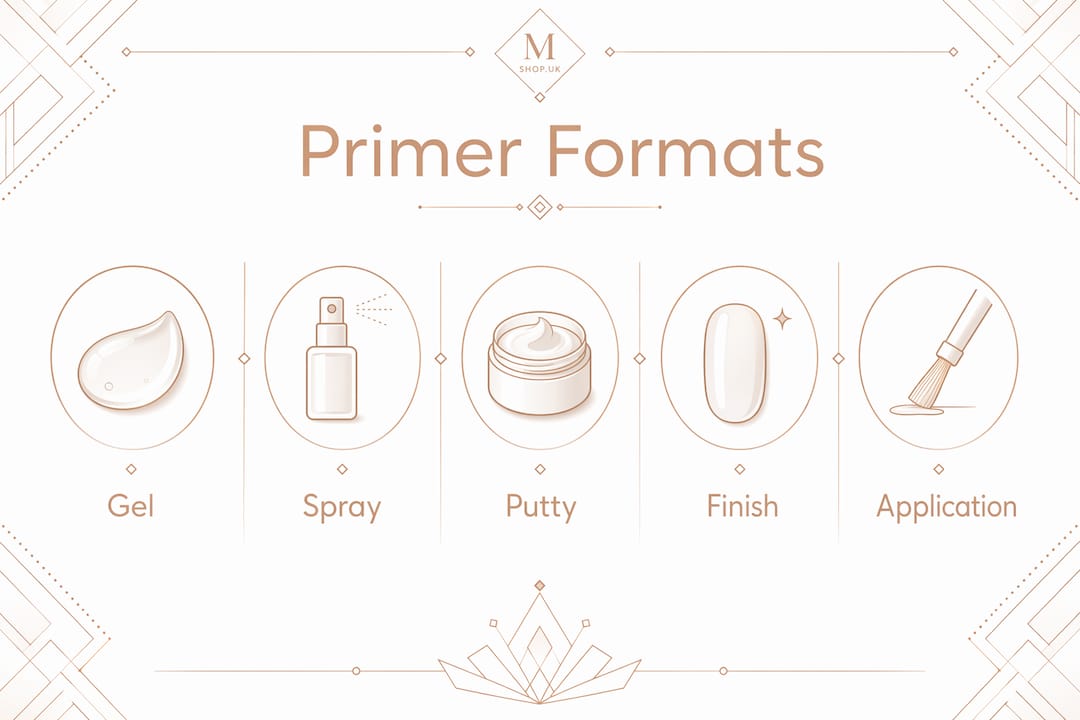
Primers come in various formats, each with distinct application methods and results. Choosing the right format is as important as choosing the right ingredients.
| Format | Best for | Finish | Key consideration |
|---|---|---|---|
| Gel | Oily and combination skin | Matte to natural | Lightweight, absorbs quickly |
| Stick | On-the-go use, targeted areas | Satin | Easy to control, less mess |
| Spray | All skin types, setting use | Natural to dewy | Can double as a setting spray |
| Putty | Textured or uneven skin | Soft focus | Thicker consistency, use sparingly |
Gel primers are the most popular format in the drugstore category. They spread easily, absorb within seconds, and work well under both liquid and powder foundations. Stick primers, like the e.l.f. Stay Cool Primer Stick, are particularly useful for targeting specific areas such as the nose or chin without disturbing the rest of your base.
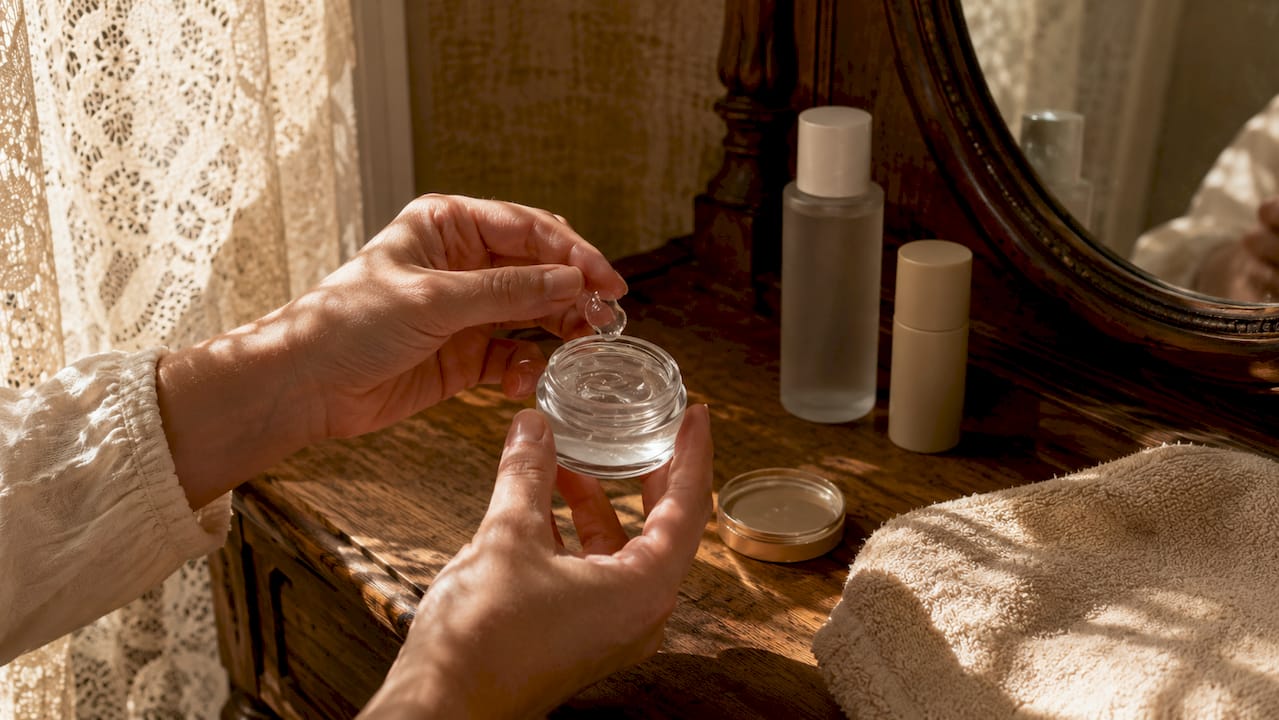
Spray primers are the most versatile format. Applied before foundation, they hydrate and prep. Applied after, they set and extend wear. This dual function makes them excellent value for money, especially for beginners who want fewer products in their routine.
Putty primers are the most targeted option. They fill deeper pores and textural irregularities more effectively than gels, but require a light hand. Too much product leads to a cakey finish.
Pro Tip: After applying primer, wait 30 to 60 seconds before applying foundation. Letting primer set briefly maximises grip and prevents the two products from mixing together on the skin.
How to choose the best budget primer for your skin type
Choosing the right primer means matching its finish and formula to your skin’s specific needs. A primer that works brilliantly for dry skin can make oily skin look worse within an hour, and vice versa.
For oily skin: Look for kaolin clay, silica, or mattifying silicones. Apply primarily to the T-zone rather than the entire face. This limits shine where it matters most without over-drying the cheeks. Avoid primers with heavy oils or glycerin as the primary ingredient, as these can accelerate shine on already oily areas.
For dry skin: Prioritise water-based formulas with glycerin or hyaluronic acid. These add a layer of hydration that prevents foundation from clinging to dry patches. Avoid silicone-heavy formulas, which can emphasise flakiness rather than smooth it.
For combination skin: A lightweight gel primer applied selectively works best. Use a mattifying formula on the T-zone and a hydrating formula on the cheeks, or find a balanced gel that addresses both without tipping too far in either direction.
For sensitive skin: Fragrance-free, water-based primers with minimal ingredient lists are the safest choice. Aloe vera and oat extract are soothing additions to look for. Avoid primers with alcohol high on the ingredients list, as these can cause redness and irritation.
One of the most common mistakes is mismatching primer and foundation base types. Applying a silicone-based primer under a water-based foundation causes the two products to repel each other, resulting in pilling and patchy coverage. Always check whether both products share the same base type before combining them.
For oily skin in particular, pairing a mattifying primer with a product like the Pharmaceris T Sebostatic Day Cream as part of your skincare prep can significantly improve how long your makeup lasts. This anti-acne normalising cream with SPF creates a balanced, controlled base before primer even goes on.
You can also build a more considered routine by following a complete skincare routine order that places primer correctly within your morning steps.
How to apply affordable primer correctly
Correct application makes the difference between a primer that works and one that feels pointless. The technique is straightforward, but the timing and quantity matter more than most people realise.
- Complete your skincare routine first. Apply cleanser, toner, serum, and moisturiser in order. Allow skincare to absorb for one to two minutes before moving to primer. Applying primer over still-wet skincare dilutes it and reduces adhesion.
- Use a pea-sized amount. More product does not mean better coverage. Overapplication is the leading cause of pilling and a heavy, unnatural finish. For a gel or putty primer, a pea-sized amount covers the full face. For a stick primer, two or three short strokes across each zone is sufficient.
- Apply with fingertips or a damp sponge. Fingertips warm the product and help it melt into skin. A damp beauty sponge gives a more even, sheer finish. Avoid brushes for most primer formats, as they can leave streaks in thicker formulas.
- Target problem areas first. Apply to the T-zone, around the nose, and on any textured areas before spreading the remainder across the rest of the face. This concentrates the product where it is most needed.
- Wait before applying foundation. Give primer 30 to 60 seconds to set. This step is consistently recommended by both e.l.f. and bareMinerals, and it genuinely improves how foundation sits on the skin.
Pro Tip: If you experience pilling, reduce the amount of primer used and check that your primer and foundation share the same base type. Pilling problems almost always result from base mismatches or overapplication rather than a faulty product.
Key takeaways
Affordable makeup primer works best when you match the formula to your skin type, apply a small amount with correct timing, and pair it with a compatible foundation base.
| Point | Details |
|---|---|
| Match base types | Use silicone primer with silicone foundation and water-based primer with water-based foundation to avoid pilling. |
| Less is more | A pea-sized amount of primer covers the full face; overapplication causes pilling and a cakey finish. |
| Time your layers | Allow skincare to absorb for one to two minutes, then let primer set for 30 to 60 seconds before foundation. |
| Target by skin type | Oily skin benefits from kaolin clay or silica; dry skin needs glycerin or hyaluronic acid formulas. |
| Affordable options deliver | Budget primers from brands like e.l.f. and NYX perform comparably to prestige options when the formula suits your skin. |
Why I think most people overcomplicate primer
I have spent years watching people spend more than they need to on primers, convinced that a higher price tag guarantees a better finish. It rarely does. The primers that consistently perform well in my experience are the ones chosen with intention, not the ones with the most impressive packaging.
The biggest misconception I encounter is that primer is optional for people with “good skin.” Primer is not about covering flaws. It is about giving your foundation a stable surface to work from. Even skin that looks smooth without primer will hold foundation better and longer with one applied correctly. The difference becomes obvious by the end of a long day.
What I have also found is that most pilling complaints are not primer problems at all. They are pairing problems. Once you understand that base type compatibility is the single most important factor in how your base performs, the whole process becomes much simpler. Test one formula at a time, keep the quantities small, and give the product a fair trial of at least a week before deciding it does not work for you.
Budget primers from the drugstore category have genuinely closed the gap with prestige options over the past few years. If you are building a routine on a sensible budget, start with an affordable gel primer suited to your skin type, master the timing, and you will rarely feel the need to spend more.
— Krzysztof
Where to find affordable primers and skin prep in the UK
M-shop stocks a curated range of Polish cosmetics and skincare products that complement a budget-conscious makeup routine. If you have oily or acne-prone skin, the Pharmaceris T Sebostatic Day Cream with SPF is a standout option for skin prep before primer. It normalises sebum production and creates a calm, controlled base that makes any primer perform better.

M-shop’s selection focuses on quality ingredients at accessible prices, with up to 15% off during sales. For a broader view of what fits into a budget routine, the affordable skincare routine guide on the M-shop blog walks through how to layer products effectively without overspending. Every product is sourced directly from Poland, so you get genuine formulations without the inflated retail markup.
FAQ
What is a makeup primer and do I need one?
A makeup primer is a preparatory base applied after skincare and before foundation to smooth skin texture and improve makeup adhesion. Most people benefit from using one, particularly if their foundation tends to fade, slide, or look patchy within a few hours.
What is the best budget makeup primer for oily skin?
Primers containing kaolin clay or silica are most effective for oily skin, as these ingredients absorb excess sebum and reduce shine. e.l.f. and NYX both offer oil-controlling formulas in the £8 to £12 range that suit UK shoppers.
How do I stop my primer from pilling?
Pilling is almost always caused by mismatched base types or too much product. Use a silicone-based primer under a silicone-based foundation, or a water-based primer under a water-based foundation, and apply no more than a pea-sized amount.
How long should I wait between skincare and primer?
Allow your skincare products one to two minutes to absorb fully before applying primer. Once primer is on, wait a further 30 to 60 seconds before applying foundation for the best grip and finish.
Can a cheap primer really replace an expensive one?
Yes, provided the formula suits your skin type. Affordable primers from brands like e.l.f. contain active ingredients such as niacinamide and silicones that perform comparably to prestige options. Price reflects marketing and packaging far more than formula quality at this level.