



Polish anti-aging approach explained: your 2026 guide
The Polish anti-aging approach is a barrier-first skincare strategy that combines gradual retinoid use, targeted antioxidants, and whole-lifestyle habits to maintain youthful, resilient skin. Rather than chasing quick fixes, it treats the skin as a living system that responds best to consistent, gentle care. This method draws on Polish skincare philosophy and pairs it with modern dermatological evidence. The result is a practical, sustainable anti-aging regimen that works with your skin’s biology rather than against it.
What is the polish anti-aging approach, explained?
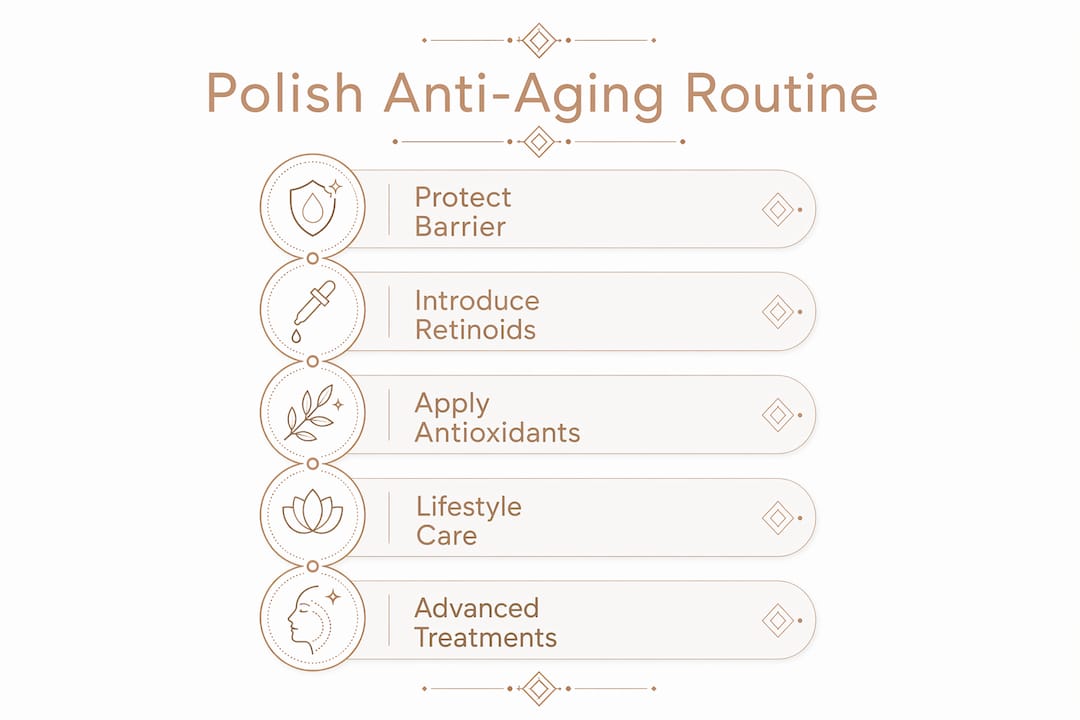
The Polish barrier-first philosophy starts with one core belief: a healthy skin barrier ages more slowly. When the barrier is intact, it retains moisture, resists environmental damage, and responds better to active ingredients like retinoids and vitamin C. Polish anti-aging favourites include retinoids, peptides, acids, antioxidants, and barrier-supporting ingredients introduced with care to avoid irritation.
This is not a minimalist approach. It is a structured one. You build tolerance before layering actives. You protect before you treat. The philosophy recognises that skin stressed by over-cleansing or aggressive products ages faster, not slower. That insight shapes every product choice and every step in a Polish-inspired routine.
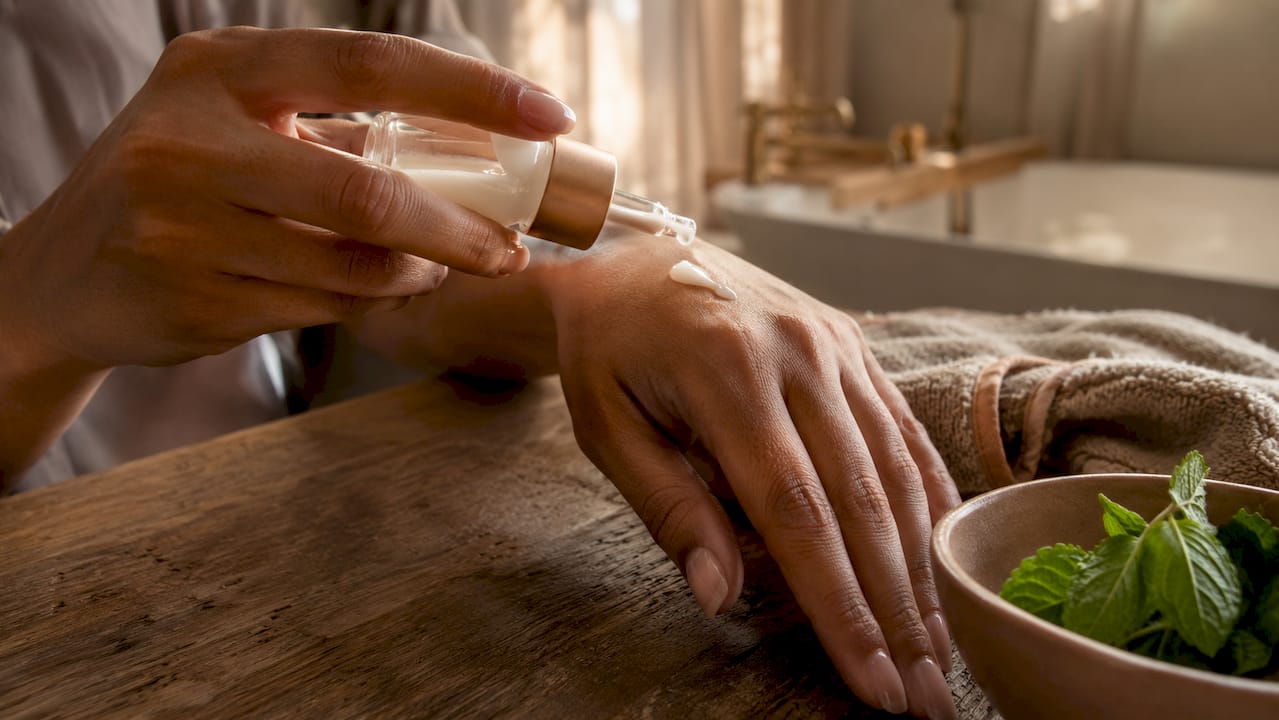
The approach also integrates lifestyle. Nutrition, sleep, sun protection, and environmental awareness are treated as non-negotiable foundations. Skincare products amplify these foundations. They do not replace them.
Why does the skin barrier matter so much?
The skin barrier is the outermost layer of the epidermis. It controls water loss, blocks pollutants, and regulates inflammation. When it is damaged, skin becomes dry, reactive, and prone to accelerated ageing. Excessive washing and harsh detergents damage the skin barrier, paradoxically accelerating ageing. That finding is central to the Polish approach.
Polish routines avoid alcohol-heavy toners, foaming cleansers with sulphates, and anything that strips the skin’s natural oils. Instead, they favour:
- Humectants such as hyaluronic acid and glycerin, which draw water into the skin
- Emollients such as ceramides and squalane, which seal moisture in and reinforce the lipid matrix
- Soap-free, pH-balanced cleansers that remove impurities without disrupting the acid mantle
Retinoids are introduced gradually, starting at 1–2 nights per week, to allow the barrier time to adapt. This phased approach prevents the peeling and redness that put many people off retinoids entirely.
Pro Tip: If your skin feels tight after cleansing, your cleanser is too harsh. Switch to a soap-free gel or cream cleanser and apply a ceramide moisturiser within 60 seconds of washing.
Which ingredients define polish skin rejuvenation?
Polish anti-aging skin care methods rely on a core set of actives, each with a specific role. Understanding what each ingredient does helps you build a routine that actually delivers results.
| Ingredient | Primary Benefit | Key Consideration |
|---|---|---|
| Retinoids | Stimulate collagen, reduce wrinkles | Introduce slowly at 1–2 nights per week |
| Vitamin C | Antioxidant, brightens, boosts SPF | Use in the morning, store away from light |
| Niacinamide | Strengthens barrier, reduces redness | Pairs well with most actives |
| AHAs (e.g. glycolic acid) | Exfoliate, improve texture | Use at night, follow with SPF next morning |
| Peptides | Support collagen synthesis, firm skin | Gentle enough for daily use |
| Ceramides | Repair and reinforce barrier | Use morning and evening |
Retinoids and vitamin C have strong trial evidence for wrinkle and hyperpigmentation improvement. That evidence base is why Polish dermatologists and skincare specialists consistently recommend them as the backbone of any serious anti-aging regimen.
Peptides deserve particular attention. They signal the skin to produce more collagen without the irritation risk of retinoids. A peptide serum works well alongside barrier-repair ingredients, making it a practical choice for anyone building tolerance to stronger actives.
PHAs (polyhydroxy acids) are a gentler alternative to AHAs, popular in Polish routines for sensitive skin. They exfoliate without disrupting the barrier, making them suitable for daily use.
Pro Tip: Do not layer vitamin C and niacinamide in the same step if your skin is reactive. Apply vitamin C in the morning, niacinamide in the evening, and let each ingredient work without competition.
How do lifestyle factors support youthful skin?
Skincare products alone cannot override a poor lifestyle. Four pillars largely control skin ageing rate: nutrition, sleep, environmental protection, and well-chosen skincare. Polish dermatologists treat the first three as prerequisites, not afterthoughts.
Here is how each pillar contributes to effective ageing solutions:
-
Nutrition. A diet rich in antioxidants from vegetables, berries, and oily fish reduces oxidative stress in the skin. Oxidative stress accelerates collagen breakdown and inflammation. Foods high in vitamins C and E, zinc, and omega-3 fatty acids directly support skin repair capacity.
-
Sleep. Skin regenerates most actively during deep sleep. Chronic poor sleep raises cortisol levels, which breaks down collagen and weakens the barrier. Seven to nine hours of quality sleep is not a luxury in the Polish approach. It is a clinical recommendation.
-
Sun protection. Daily SPF 30+ use reduces photoageing significantly. UV exposure is the single largest external cause of premature skin ageing. Polish routines treat SPF as the last step every morning, without exception.
-
Environmental protection. Pollution generates free radicals that degrade collagen and trigger inflammation. Antioxidant serums applied before SPF create a chemical shield against particulate matter and ozone.
Non-skin variables strongly influence anti-aging outcomes. Dermatologists emphasise that advanced skincare therapies deliver far better results when these foundational habits are already in place.
What advanced treatments are popular in poland?
Poland has developed a strong reputation for regenerative aesthetic treatments, particularly polynucleotide (PN) and PDRN therapies. These are not the same as classic volumetric fillers. Regenerative aesthetic treatments in Poland focus on quality-of-skin improvements rather than instant volumetric corrections, aligning with natural repair processes.
Polynucleotides are fragments of DNA derived from salmon or trout. When injected into the skin, they stimulate fibroblasts to produce collagen, improve microcirculation, and reduce chronic inflammation. The mechanism is biological, not mechanical.
The timeline for results follows a predictable biological pattern:
- Days 7–10: Early improvements in hydration and skin tone become visible
- Weeks 4–6: Texture refinement and reduced redness become more apparent
- Months 2–3: Fuller collagen remodelling and density improvements are measurable
PN and PDRN treatments improve skin hydration and tone within 7–10 days, with fuller effects over 2–3 months after a series. That timeline is slower than a filler appointment, but the results are structural rather than cosmetic.
The key distinction is expectation management. These treatments do not erase wrinkles overnight. They rebuild the skin’s capacity to maintain itself. That philosophy mirrors the broader Polish approach: work with biology, not against it.
How to build a polish-inspired routine at home
A Polish-inspired anti-aging regimen at home does not require a lengthy product list. It requires the right products used in the right order, with patience. Successful anti-aging routines rely on carefully planned retinoid tolerance schedules supported with barrier-repair ingredients to minimise irritation while maximising efficacy.
Follow these steps to build your routine:
-
Cleanse gently. Use a soap-free, pH-balanced cleanser morning and evening. Avoid anything that leaves skin feeling tight or stripped. The AA Oceanic Help Atopic Skin cleansing gel is a good example of a fragrance-free Polish option suited to sensitive and mature skin.
-
Apply your actives. In the morning, use a vitamin C serum followed by a niacinamide moisturiser. In the evening, use a peptide serum or, on retinoid nights, your retinoid product. Start retinoids at one night per week and increase by one night every two to three weeks.
-
Moisturise with barrier-repair ingredients. Apply a ceramide-containing moisturiser after actives, morning and evening. This locks in hydration and cushions the skin against irritation from actives.
-
Apply SPF every morning. Use a broad-spectrum SPF 30 or higher as your final morning step. Reapply if you spend extended time outdoors.
-
Adjust for sensitivity. If redness or flaking appears, reduce retinoid frequency and increase ceramide use. Introduce PHAs as a gentler exfoliant while your skin builds tolerance.
-
Be consistent and patient. Visible improvements from retinoids and peptides take 8–12 weeks of regular use. Consistency compounds results over time.
Pro Tip: Apply your retinoid to dry skin, not damp skin. Damp skin increases absorption and the risk of irritation. Wait two minutes after cleansing before applying.
Key takeaways
The Polish anti-aging approach works because it combines barrier protection, gradual active ingredient use, and lifestyle foundations into a single, coherent strategy.
| Point | Details |
|---|---|
| Barrier health comes first | Protect the skin barrier with ceramides and gentle cleansers before introducing actives. |
| Retinoids need a ramp-up | Start at 1–2 nights per week and increase gradually to build tolerance without irritation. |
| Lifestyle is non-negotiable | Nutrition, sleep, and daily SPF are prerequisites to effective anti-aging skincare. |
| Regenerative treatments take time | Polynucleotide therapies show early results at 7–10 days, with full effects over 2–3 months. |
| Consistency beats intensity | Regular, gentle care over months outperforms aggressive short-term treatments every time. |
Why i think the polish method gets it right
Krzysztof’s perspective
Most Western anti-aging marketing sells urgency. Buy this serum, see results in 48 hours. The Polish approach is almost the opposite of that, and I think that is precisely why it works.
What strikes me most about this method is its respect for biological timelines. Skin does not regenerate overnight. Collagen synthesis takes weeks. Barrier repair takes days. When you work within those timelines rather than trying to override them, you get results that actually last.
I have seen people abandon retinoids after two weeks because their skin peeled. That is not a retinoid failure. That is a ramp-up failure. The Polish insider strategy of starting at one night per week, pairing with panthenol and ceramides, and building slowly is not cautious. It is smart. It gets you to full retinoid use without the setbacks that cause most people to quit.
The lifestyle integration also matters more than people realise. You can spend a significant amount on serums and still age faster than necessary if you are sleeping poorly and eating a diet low in antioxidants. Polish dermatologists treat this as basic clinical fact, not wellness advice.
The barrier-focused skincare science supports everything the Polish approach does intuitively. Protect first, treat second, and let biology do the rest. That is not a trend. That is how skin actually works.
— Krzysztof
Discover polish anti-aging products at M-shop
M-shop brings trusted Polish skincare directly to the UK, with a curated selection of creams, serums, and cleansers built around the barrier-first philosophy described in this article.

The Celia Collagen + Vitamins 40+ Rich Anti-Wrinkle Cream is a standout choice for mature skin. It combines collagen with vitamins to support barrier repair and reduce the appearance of wrinkles, making it a practical fit for the evening step of a Polish-inspired routine. M-shop also stocks the full Celia Collagen range, including formulas with olive oil, goat milk, and algae, each suited to different skin types and sensitivities. Browse the complete Polish cosmetics range at M-shop and find products that match your skin’s needs, with up to 15% off during sales.
FAQ
What is the polish anti-aging approach?
The Polish anti-aging approach is a barrier-first skincare strategy that uses gradual retinoid introduction, antioxidants, and lifestyle factors such as nutrition and SPF to maintain youthful skin over time.
Which ingredients are central to polish skin rejuvenation?
Retinoids, peptides, ceramides, niacinamide, vitamin C, and AHAs or PHAs are the core actives. Each is introduced carefully to protect the skin barrier while delivering anti-aging benefits.
How quickly do polish anti-aging routines show results?
Retinoids and peptides typically show visible improvement after 8–12 weeks of consistent use. Polynucleotide treatments show early hydration improvements within 7–10 days, with fuller results over 2–3 months.
Why is SPF so important in a polish anti-aging regimen?
Daily SPF 30+ use reduces photoageing significantly. UV exposure is the leading external cause of premature skin ageing, making sun protection the most cost-effective anti-aging step available.
Can i follow the polish approach if i have sensitive skin?
Yes. The approach is designed with sensitivity in mind. Gentle cleansers, PHAs instead of AHAs, and a slow retinoid ramp-up make it accessible for reactive skin types. M-shop’s Polish sensitive skin guide offers product-specific recommendations.