



Polish foot care products list: the UK buyer's guide
A Polish foot care products list is a curated selection of specialised creams, balms, exfoliants, and treatment gels formulated with clinically active ingredients such as urea, colostrum, and microsilver to treat dry, cracked, and thickened foot skin. Polish podiatry brands like Podopharm and AArkada have built their reputations on multi-step treatment systems rather than single-product fixes. The skin on your feet is significantly thicker than elsewhere on the body, which means standard moisturisers rarely deliver results. Only formulations with targeted concentrations of active ingredients penetrate deeply enough to make a visible difference. This guide covers the best Polish foot care products available in the UK, with clear guidance on ingredients, usage, and what to buy first.
What active ingredients make Polish foot care products effective?
The most effective Polish foot care formulations rely on urea as their primary active ingredient. Foot skin thickness demands concentrations of 10–40% urea to penetrate effectively, which is far beyond what a standard body lotion contains. Urea works in two ways: at lower concentrations it draws moisture into the skin, and at higher concentrations it breaks down thickened, hardened tissue through a process called keratolytic action.
Polish professional brands go further than urea alone. Podopharm and Pharm Foot integrate advanced actives like microsilver and colostrum into their formulations. Microsilver provides antimicrobial protection, which is particularly useful for feet prone to fungal issues. Colostrum supports skin regeneration at a cellular level, making it valuable for severely damaged or fissured skin.
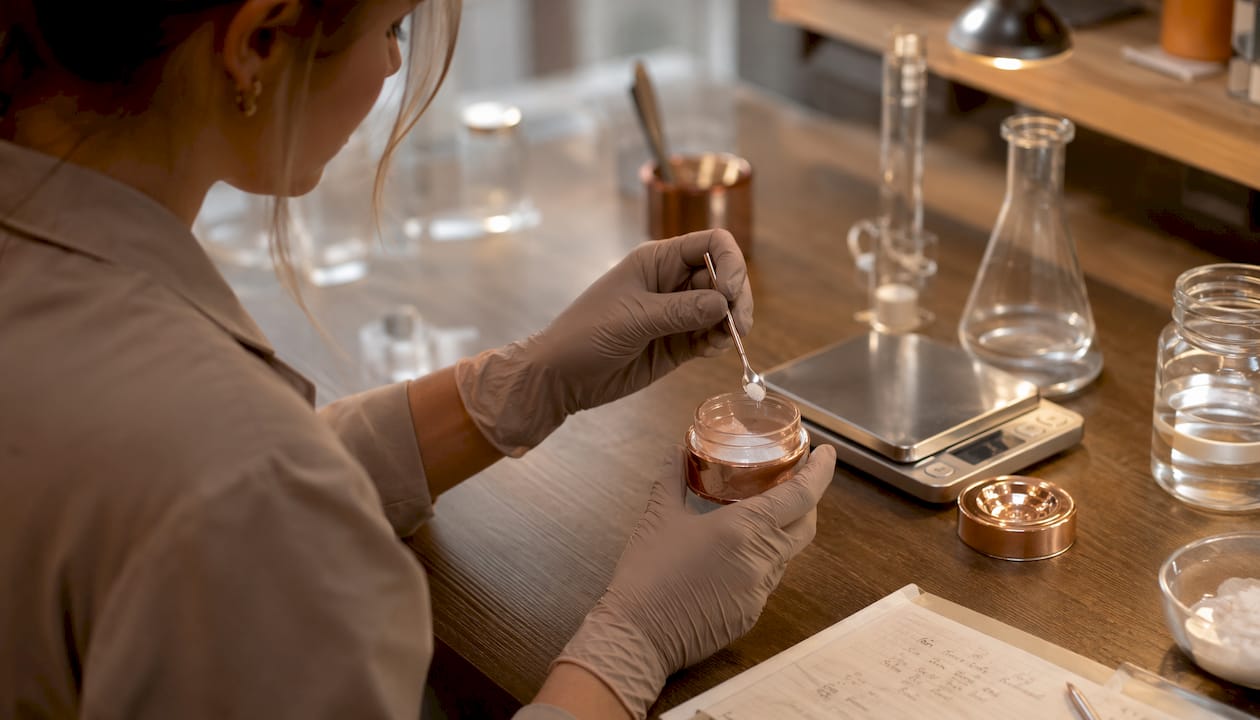
Nanocolloids are another ingredient found in professional Polish podiatry lines. These microscopic particles improve ingredient delivery into deeper skin layers. The result is faster visible improvement compared with surface-level moisturisers.
Pro Tip: Look for products that combine urea with colostrum or microsilver if you are treating both dryness and skin damage simultaneously. These dual-action formulations reduce the number of products you need.
Key active ingredients to look for:
- Urea (10–40%): hydration and keratolytic action depending on concentration
- Colostrum: skin regeneration and barrier repair
- Microsilver: antimicrobial and anti-inflammatory protection
- Nanocolloids: enhanced penetration of active ingredients
- Linseed extract: soothing and softening for sensitive or reactive skin
- Collagen: structural support and moisture retention
Top Polish foot creams and balms for cracked and thickened skin
Polish foot creams cover a wide range of treatment strengths, and choosing the right one depends on the severity of your skin condition. The standard treatment protocol uses 40% urea cream at bedtime for 2–3 weeks to address cracked heels and deep fissures. After the treatment phase, a 20% urea cream applied after bathing maintains the results.
The following products represent the core of any effective Polish foot care routine:
- Bielenda Professional 20% Urea Foot Cream (500ml): a maintenance-phase cream suited for daily use after the intensive treatment period. The 20% urea concentration keeps skin soft without the aggressive keratolytic effect of higher-strength formulas.
- Herbal Care Regenerating Cream for Cracked Heels with Linseed (100ml): a natural ingredient cream from Farmona that combines linseed extract with regenerating actives. It suits people who prefer botanical formulations and works well for moderate dryness.
- Celia Collagen + Rosemary Foot Cream (125ml): a deeply hydrating option that pairs collagen with rosemary extract for circulation support. Collagen helps maintain skin elasticity, making this a strong choice for mature skin.
- Podopharm high-urea ointments: Podopharm’s professional range includes ointments at 40% urea concentration designed for intensive overnight treatment of severe fissures. These are the products podiatrists in Poland reach for first.
- Pharm Foot colostrum balms: balms from Pharm Foot incorporate colostrum alongside urea for a regenerative effect that goes beyond simple hydration. These suit skin that is both dry and damaged.
Premium Polish formulations can improve cracked heel appearance in as little as 3 days, with active hydration lasting up to 48 hours per application. That performance gap between Polish professional products and generic supermarket creams is significant.
For severe fissures, the occlusive treatment method accelerates healing. Apply a 40% urea cream after bathing, then cover the foot with an airtight dressing or a thick cotton sock overnight. This traps moisture and drives the active ingredient deeper into the skin than topical application alone.
Effective exfoliation: Polish foot products for callus and dead skin removal
Exfoliation is the step most people skip, and it is the reason their creams stop working. Dead skin accumulates on the surface and blocks active ingredients from reaching the layers that need treatment. Polish foot care brands address this with both chemical exfoliants and physical tools.
Chemical exfoliants are the gentler option for regular use. Manual exfoliation tools provide instant skin removal but risk triggering thicker callus regrowth if used too frequently. Chemical exfoliants dissolve dead skin gradually without stimulating the skin’s defensive thickening response.
Key exfoliation products from Polish brands include:
- Bielenda Professional Callous and Corn Softening Gel (500ml): a professional-grade softening gel that breaks down hardened skin before manual removal. Used in Polish podiatry clinics, it softens calluses in minutes and makes subsequent filing significantly easier.
- Exfoliating foot masks (peel socks): these single-use treatments use a blend of fruit acids to dissolve dead skin over several days. The peeling process begins 3–7 days after application, not immediately. Forcing or picking at the peeling skin damages the fresh layer underneath.
- Urea-based exfoliating creams: at 40% concentration, urea functions as a chemical exfoliant in its own right. These creams soften and lift dead skin without the need for a separate peel product.
Experts recommend combining chemical and manual exfoliation rather than relying on one method alone. Use a chemical softener first, then follow with a pumice stone or foot file for the most controlled result. Limit manual filing to once or twice per week.
Pro Tip: Apply your softening gel or exfoliating cream to dry feet before bathing, not after. Dry skin absorbs chemical exfoliants more effectively than already-hydrated skin.
For a complete at-home treatment experience, the Ultimate Foot Care Spa Bundle from Velvet Bloom pairs a foot massager with a tea tree scrub and callus remover, complementing Polish exfoliant products well.
How to integrate Polish foot care products into a daily routine
Effective podological therapy requires a system, not a single product. A structured routine produces results that no individual cream can achieve alone. The following steps form the basis of a complete foot skincare routine using Polish products.
- Cleanse: wash feet thoroughly with warm water and a mild soap. Pay attention to the spaces between toes, where moisture and bacteria accumulate.
- Soften: apply a callus-softening gel such as the Bielenda Professional Callous Gel to any hardened areas. Leave for 3–5 minutes before the next step.
- Exfoliate: use a pumice stone or foot file on softened calluses. Work gently and stop before the skin feels sore. Rinse and pat dry.
- Treat: apply your urea cream at the appropriate strength. Use 40% urea for active treatment of cracks and thickened skin, and 20% urea for daily maintenance.
- Seal: for intensive treatment nights, cover feet with cotton socks after applying cream. This occlusive step significantly boosts absorption.
- Maintain: on non-treatment days, apply a lighter collagen or botanical cream such as the Celia Collagen + Rosemary Foot Cream to keep skin supple.
Frequency matters as much as product choice. During the treatment phase, apply high-strength urea cream every night for 2–3 weeks. Once the skin has normalised, switch to a maintenance cream 3–4 times per week. Exfoliate no more than twice per week to avoid triggering the skin’s thickening response.
For broader guidance on building healthy beauty habits that include foot care alongside a full skincare routine, beauty professionals consistently recommend treating feet with the same regularity as the face.
Overview of Polish foot care product categories
The table below summarises the main product types in a Polish foot care range, their typical active ingredients, and the skin conditions they address.
| Product type | Active ingredients | Best use case |
|---|---|---|
| High-strength urea cream (40%) | Urea 40%, colostrum | Intensive treatment of cracked heels and deep fissures |
| Maintenance urea cream (20%) | Urea 20%, collagen | Daily hydration after the treatment phase |
| Callus-softening gel | Urea, lactic acid | Pre-exfoliation softening of hardened skin |
| Exfoliating foot mask | Fruit acids, AHA | Weekly deep exfoliation of dead skin layers |
| Regenerating balm | Colostrum, microsilver | Skin repair and antimicrobial protection |
| Botanical foot cream | Linseed, rosemary, collagen | Gentle daily moisturising for sensitive or normal skin |
Each category serves a distinct function. Rotating between treatment-phase and maintenance-phase products, rather than using the same cream indefinitely, produces the most consistent long-term results.
Key takeaways
Polish foot care products work because they combine clinically proven urea concentrations with regenerative actives like colostrum and microsilver in a structured, multi-step treatment system.
| Point | Details |
|---|---|
| Urea concentration matters | Use 40% urea for active treatment and 20% for daily maintenance after the skin has healed. |
| Multi-step routines outperform single products | Cleansing, softening, exfoliating, and moisturising together deliver results that no single cream achieves. |
| Exfoliation needs careful timing | Exfoliating foot masks take 3–7 days to peel; forcing the process damages new skin. |
| Occlusive method speeds healing | Applying high-urea cream under a cotton sock overnight significantly accelerates repair of severe fissures. |
| Polish brands use advanced actives | Microsilver and colostrum in professional Polish formulations go beyond standard moisturiser ingredients. |
Why I think most people underestimate Polish foot care
Most people treat their feet as an afterthought. They reach for a generic body lotion, apply it occasionally, and wonder why the results are poor. Having spent years exploring Polish cosmetics and the science behind them, I find this frustrating because the gap between a standard moisturiser and a properly formulated Polish podiatry product is enormous.
The ingredient science in Polish professional brands is genuinely ahead of what you find on most UK pharmacy shelves. Colostrum for skin regeneration, microsilver for antimicrobial action, and nanocolloid delivery systems are not marketing language. They reflect a tradition of clinical podiatry in Poland where foot health is taken seriously as a medical matter, not a cosmetic one.
The advice I give to anyone starting out is simple. Do not skip the exfoliation step, and do not underestimate the importance of urea concentration. A 5% urea cream from a supermarket will not do what a 40% professional formulation does. The benefits of Polish moisturisers extend well beyond basic hydration, and feet are where that difference shows up fastest. Start with the right strength, follow the routine consistently for three weeks, and the results will speak for themselves.
— Krzysztof
Polish foot care essentials available at M-shop UK
M-shop brings a carefully selected range of Polish foot care products directly to customers in the UK, sourced from trusted Polish brands with a focus on natural actives and clinically effective formulations.

The M-shop range includes urea creams at multiple strengths, collagen-enriched foot creams, and professional-grade softening gels, all available with up to 15% off during sale periods. Whether you are starting an intensive treatment course or looking for a reliable maintenance product, the Celia Collagen moisturising cream is a strong starting point for anyone building a foot care routine with proven Polish ingredients. Browse the full selection at M-shop to find the right product for your skin’s needs.
FAQ
What is the best urea concentration for cracked heels?
A 40% urea cream applied at bedtime is the standard treatment for cracked heels, used for 2–3 weeks. Once the skin has healed, switch to a 20% urea cream for ongoing maintenance.
How long do Polish foot care products take to show results?
Premium Polish formulations can improve cracked heel appearance in as little as 3 days, with active hydration lasting up to 48 hours per application.
Are Polish foot care brands suitable for sensitive skin?
Yes. Many Polish brands offer botanical formulations with linseed, rosemary, or collagen that are well tolerated by sensitive skin. Avoid high-urea concentrations if your skin is reactive and start with a 10% urea product instead.
How often should I exfoliate my feet?
Exfoliate no more than twice per week using a combination of chemical softeners and manual tools. Over-exfoliation with manual tools can trigger thicker callus regrowth.
What makes Polish foot care products different from standard UK brands?
Polish professional brands integrate advanced actives such as colostrum, microsilver, and nanocolloids that are rarely found in standard UK pharmacy products. These ingredients target skin regeneration and antimicrobial protection alongside basic hydration.