



How polish beauty traditions work: a cultural guide
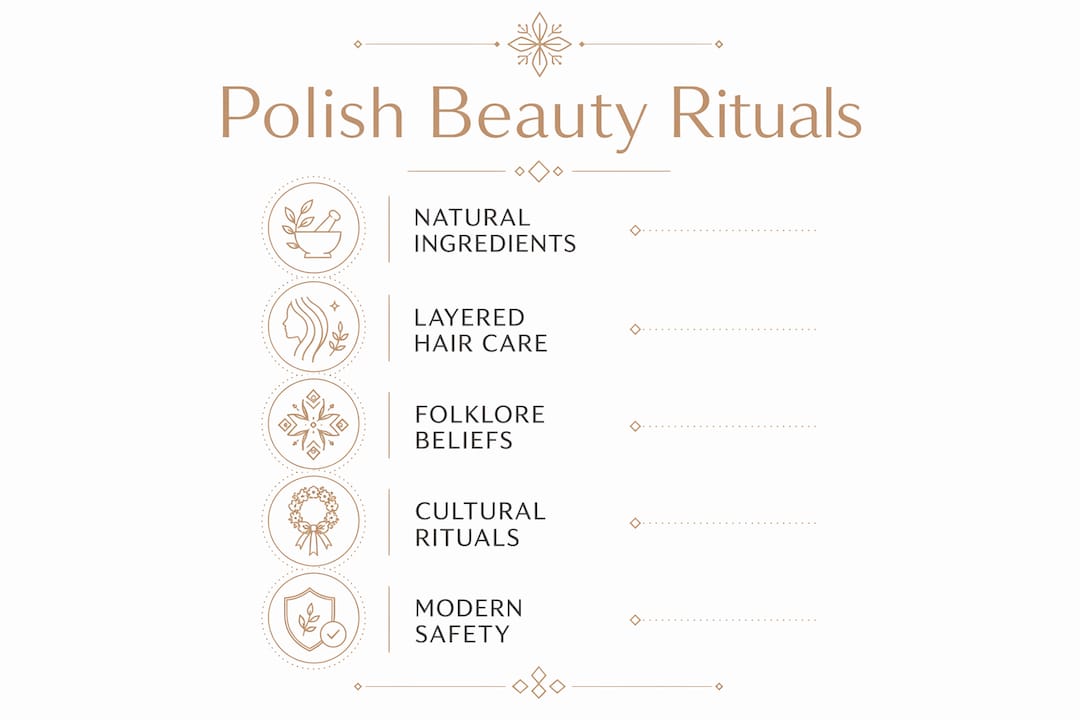
Polish beauty traditions are defined as a holistic system of natural skincare and haircare rituals rooted in centuries of cultural practice, folk medicine, and symbolic meaning. Understanding how Polish beauty traditions work means looking beyond individual products to see a complete philosophy: ingredients drawn from nature, grooming as a daily ritual, and beauty as an expression of cultural identity. These practices combine potash soap, herbal infusions, apple cider vinegar rinses, and animal fat pomades with deeply held beliefs about health and appearance. Today, they sit within a modern EU regulatory framework that keeps them both safe and relevant.
How do traditional polish hair care rituals work?
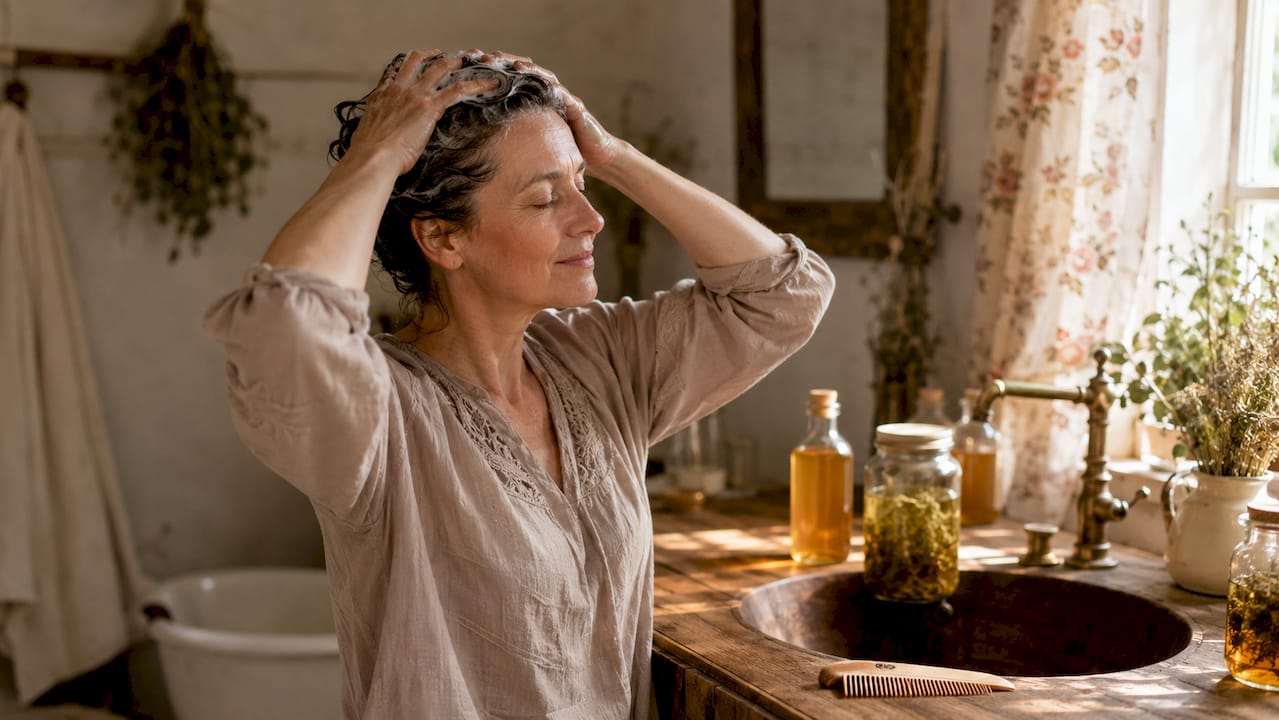
Traditional Polish hair care works through a layered system of cleansing, conditioning, and grooming, each step serving a specific purpose. No single product carried the full load. Instead, the approach combined natural soaps, acidic rinses, and careful mechanical grooming to achieve results that modern multi-step routines would recognise immediately.
The core methods of Polish hair care traditions, explained through their function, include:
- Potash soap and wood ash lye acted as the primary cleansers, removing grease without the harsh synthetic detergents found in modern shampoos.
- Diluted apple cider vinegar and wine vinegar rinses restored the scalp’s natural acidity after washing, adding shine and reducing tangles.
- Lavender and rose water infusions were applied as final rinses to condition the hair and leave a subtle fragrance.
- Wooden and horn combs distributed natural oils from root to tip, replacing the need for separate conditioning treatments.
- Animal fat pomades blended with herbs and essential oils nourished the hair shaft and provided hold for styling.
- Rice or wheat flour was dusted through the hair during the Baroque period as a dry cleansing method, absorbing excess oil between washes.
Historical grooming combined scalp conditioning and mechanical care rather than relying on a single product. That insight explains why Polish hair felt healthy despite the absence of modern chemistry. Each step reinforced the next, creating a self-sustaining routine.
Pro Tip: When adapting these methods today, dilute apple cider vinegar to a ratio of roughly one part vinegar to ten parts water before applying it as a rinse. Undiluted acid can irritate a sensitive scalp, so always monitor scalp reactions and reduce frequency if redness or dryness appears.
For readers with sensitive skin, M-shop’s guide on Polish sensitive skin products offers practical advice on adapting traditional methods without causing irritation.
How does polish folklore shape beauty beliefs?
Polish folklore does not treat beauty as purely cosmetic. It connects physical appearance, particularly hair, to health, spiritual protection, and the body’s ability to heal. The most striking example is the plica polonica, known in Polish as kołtun.
Plica polonica is a matted, tangled hair condition that Polish folk medicine interpreted as a protective amulet containing illness. The belief held that disease spirits gathered in the matted hair during convalescence, and cutting the plait prematurely would release those spirits back into the body. This is not a modern medical position, but it is a historically significant belief that shaped real behaviour for centuries.
The folklore surrounding the plica produced specific rituals:
- Formation of the plait was sometimes encouraged during illness as a sign that the body was expelling disease.
- Removal required careful ritual rather than simple cutting, to avoid releasing the trapped illness.
- Hair condition and health beliefs were so intertwined that reluctance to cut matted hair became a recognised cultural pattern.
- Hair colour carried social meaning too, with different shades associated with particular personality traits or social standing in regional communities.
Understanding this folklore matters for anyone exploring common Polish beauty traditions. It explains why hair was treated with such reverence and why grooming rituals carried weight beyond simple hygiene. The cultural meaning of the Polish plait shaped attitudes to hair care that persisted well into the modern era.
The photographer Joanna Kustra’s project Ludwika explores how these folk beliefs about the body and beauty have been preserved and reinterpreted in contemporary Polish visual culture, offering a striking artistic lens on the same traditions.
Do polish cosmetics meet modern safety standards?
Traditional Polish beauty practices now operate within one of the world’s most rigorous consumer safety frameworks. The EU Cosmetics Regulation (EC No 1223/2009) governs every cosmetic product sold in Poland and across the EU. That regulation means any product inspired by traditional Polish skincare must clear a series of formal requirements before reaching a consumer.
The key steps a Polish cosmetic brand must complete before marketing a product are:
- Safety assessment: A qualified safety assessor must evaluate every ingredient and confirm the product poses no risk to human health under normal use.
- Responsible Person designation: One legal entity within the EU must take formal responsibility for the product’s compliance. This person is the point of contact for regulators.
- Product Information File (PIF): Brands must maintain a complete dossier covering formulation, manufacturing method, safety data, and claims substantiation.
- Labelling requirements: Products must display the Responsible Person’s details, ingredient list (INCI format), shelf life, and any special precautions.
- Market surveillance cooperation: Brands must report serious undesirable effects to national authorities and cooperate with inspections.
Polish cosmetics sold in the EU must meet all these requirements without exception. That framework protects consumers while allowing traditional formulations, including those using natural soaps, herbal extracts, and plant oils, to reach the market legally. The intersection of tradition and modern EU rules shows that historical Polish beauty methods remain relevant, provided they meet safety standards. For a deeper look at how this regulatory context shapes the wider category, M-shop’s guide on polska kosmetyka is worth reading.
What cultural rituals reinforce polish beauty symbolism?
Polish beauty practices extend beyond the bathroom. Cultural rituals, particularly those tied to seasonal celebrations, reinforce the idea that self-presentation and gifting are acts of social beauty.
Women’s Day in Poland, celebrated on 8th march, carries a specific floral tradition. Tulips and crocuses are the customary gifts, chosen for their associations with admiration, warmth, and the arrival of spring. The colour of the flower carries meaning too: yellow tulips signal cheerfulness, while red conveys deep respect. These are not arbitrary choices. They reflect a cultural literacy around beauty and symbolism that runs through Polish social life.
The broader picture of Polish beauty rituals includes:
- Seasonal alignment: Beauty routines historically shifted with the seasons, using spring herbs for freshening and autumn fats for deep conditioning.
- Regional variation: Rural communities maintained stronger ties to folk ingredients, while urban centres adopted French and German cosmetic influences from the 18th century onwards.
- Gifting as beauty practice: Presenting flowers, scented waters, or handmade cosmetics was a recognised form of social care and aesthetic expression.
The photographer Joanna Kustra’s series Merry Flowers documents this floral symbolism in Polish culture with striking visual depth, showing how the tradition of gifting flowers connects to broader ideas about femininity, renewal, and care.
Incorporating these symbolic gestures into a modern beauty routine is straightforward. Choosing a Polish natural soap as a gift, or timing a new skincare ritual to coincide with a seasonal change, connects you to a tradition that treats beauty as a communal and cultural act, not just a personal one.
Key takeaways
Polish beauty traditions work because they combine natural ingredients, ritualistic care, cultural symbolism, and modern regulatory safety into one coherent system.
| Point | Details |
|---|---|
| Layered hair care system | Traditional Polish hair care combined potash soap, vinegar rinses, herbal infusions, and wooden combs rather than relying on a single product. |
| Folklore shapes practice | Folk beliefs such as the plica polonica gave hair deep cultural significance, explaining why grooming rituals carried meaning beyond hygiene. |
| EU regulation ensures safety | Every Polish cosmetic sold in the EU must pass a safety assessment and meet the requirements of EC No 1223/2009 before reaching consumers. |
| Cultural symbolism matters | Seasonal gifting traditions, including tulips and crocuses on Women’s Day, reflect how beauty and social expression are intertwined in Polish culture. |
| Modern adaptation is possible | Traditional methods like vinegar rinses work today when diluted correctly and adjusted for individual scalp sensitivity. |
Why i think polish beauty traditions deserve more serious attention
Most Western beauty writing treats Polish cosmetics as a budget alternative to French or Korean skincare. That framing misses the point entirely. What strikes me most about traditional Polish beauty practices is their internal logic. Every element serves a function. The vinegar rinse restores pH. The wooden comb distributes oil. The herbal infusion conditions without stripping. Nothing is decorative.
The folklore dimension surprises people, and I understand why. The plica polonica belief sounds strange to modern ears. But when you understand that Polish folk medicine was trying to make sense of illness and recovery without germ theory, the logic becomes clear. Hair was the most visible sign of health. Of course it became the focus of protective ritual.
What I find genuinely useful for anyone wanting to follow Polish beauty traditions today is this: start with the principles, not the exact ingredients. The principle is gentle cleansing, acid balance, mechanical distribution of oils, and seasonal adjustment. You can apply that framework with modern products and still honour the tradition. The historical depth of Polish skincare is not a marketing story. It is a real and coherent system that rewards careful attention.
The EU regulatory framework is not a constraint on tradition. It is the mechanism that makes tradition trustworthy. A Polish natural soap that has passed a full safety assessment is not less authentic than one that has not. It is simply safer.
— Krzysztof
Discover authentic polish beauty products at M-shop
M-shop brings carefully selected Polish cosmetics directly from Poland to customers across the UK, combining the benefits of Polish beauty traditions with the assurance of full EU regulatory compliance.

Whether you are drawn to natural soaps rooted in traditional Polish skincare or modern formulations that carry forward the same ingredient philosophy, M-shop’s range covers both. The Biały Jeleń hypoallergenic natural soap with chestnut is a strong starting point: a product built on natural ingredients, free from unnecessary additives, and fully compliant with EU cosmetics standards. For targeted skincare, the Pharmaceris T Sebostatic Day cream demonstrates how Polish cosmetic science applies traditional principles of skin balance to a modern SPF formulation. M-shop’s family-owned operation means every product is personally selected for quality and authenticity.
FAQ
What are the core ingredients in traditional polish skincare?
Traditional Polish skincare relies on potash soap, wood ash lye, apple cider vinegar, lavender water, rose water, and animal fat pomades blended with herbs. These ingredients cleanse, condition, and balance the scalp and skin without synthetic additives.
What is plica polonica and why does it matter for polish beauty history?
Plica polonica is a matted hair condition that Polish folk medicine interpreted as a protective amulet containing illness. This belief directly shaped hair care rituals for centuries, explaining why hair was treated with unusual reverence in traditional Polish culture.
Are traditional polish beauty products safe to use today?
Yes. Polish cosmetics sold in the EU must comply with EC No 1223/2009, which requires a full safety assessment and a designated Responsible Person before any product reaches the market. Traditional formulations are permitted provided they meet these standards.
How do i adapt polish hair care traditions for sensitive skin?
Dilute any vinegar rinse to approximately one part vinegar to ten parts water, and limit use to once or twice per week. Switch to a gentle natural soap rather than potash lye if your scalp is reactive, and monitor for dryness or irritation after each use.
What is the significance of flowers in polish beauty culture?
Tulips and crocuses are traditional gifts on Women’s Day in Poland, celebrated on 8th march, symbolising admiration and spring renewal. This gifting tradition reflects a broader cultural understanding of beauty as a social and seasonal practice, not purely a personal one.