



Why Polish cosmetics lack parabens: a 2026 guide
Polish cosmetics without parabens are defined by a deliberate choice: manufacturers replace synthetic preservatives with plant-based alternatives to meet growing consumer demand for cleaner, gentler formulations. The question of why Polish cosmetics lack parabens comes down to two forces working together. Consumer caution about synthetic ingredients has pushed Polish brands such as 4 Szpaki, Orientana, and Biały Jeleń to reformulate with natural preservative systems. Switching to products free of synthetic chemicals, including parabens, reduces paraben exposure by around 44% within days. That figure alone explains why so many people actively seek out Polish cosmetics without parabens.
Why do Polish cosmetics lack parabens?
Polish brands avoid parabens primarily because their customers ask them to. Consumer preference for clean labels and perceived gentleness has become a dominant purchasing factor across the Polish beauty market. Brands that reformulated early gained a clear commercial advantage, and the rest followed.
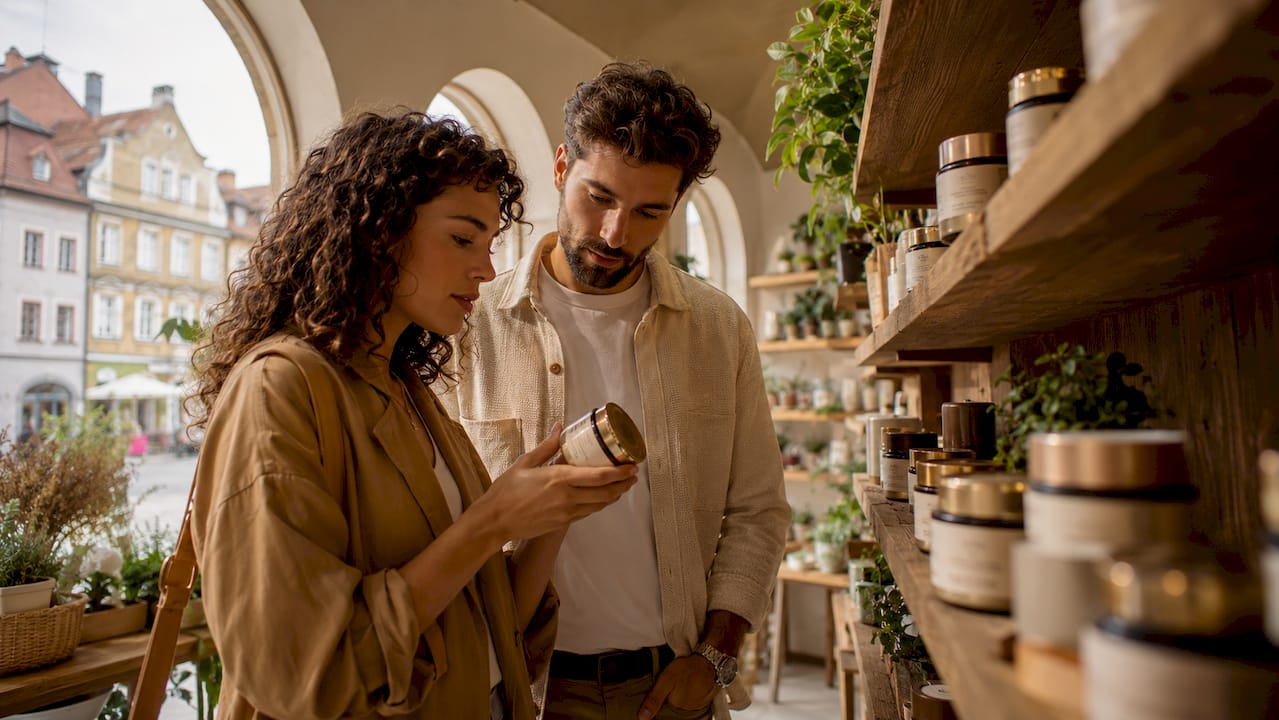
The Polish cosmetics export market has grown partly because international buyers, especially in the UK and Western Europe, now expect paraben-free formulations as standard. Polish manufacturers responded by building natural preservative systems into their core product lines rather than treating them as a premium add-on. The result is that paraben-free has become the default, not the exception, for most Polish skincare and personal care products.
What are parabens and why were they used in cosmetics?
Parabens are synthetic preservatives that prevent the growth of bacteria, mould, and yeast in cosmetic products. They extend shelf life and protect both the product and the person using it from microbial contamination. The most common types are methylparaben, ethylparaben, propylparaben, and butylparaben, and they appear on ingredient labels under those exact INCI names.
Their widespread use made practical sense for decades. Parabens are cheap, stable across a wide pH range, and effective at very low concentrations. Regulatory agencies including the FDA and European Commission consider parabens safe within defined limits. Methyl and propyl parabens are permitted up to 0.4% concentration, and no conclusive carcinogenicity evidence exists at those regulated levels.
The safety record of parabens is, by scientific consensus, solid. The shift away from them is driven by consumer perception rather than a regulatory ban. That distinction matters when you are reading product claims.
Key paraben types found in conventional cosmetics:
- Methylparaben (E218): the most widely used, effective against bacteria and fungi
- Ethylparaben: often paired with methylparaben for broader protection
- Propylparaben: targets fungi specifically, used in rinse-off and leave-on products
- Butylparaben: the most potent of the four, used at lower concentrations
Scientific consensus finds no clear evidence linking parabens at regulated levels to cancer, yet consumer avoidance remains high due to precautionary preference.
How Polish brands respond to consumer demand for paraben-free products
Polish manufacturers have responded to consumer concerns by replacing parabens with preservatives derived from plants, essential oils, and natural antibacterial compounds. Brands like 4 Szpaki use formulations built around ingredients such as shea butter, coconut oil, and plant extracts that both preserve the product and soothe sensitive skin. This dual function is a key reason why natural preservative systems appeal to Polish formulators.
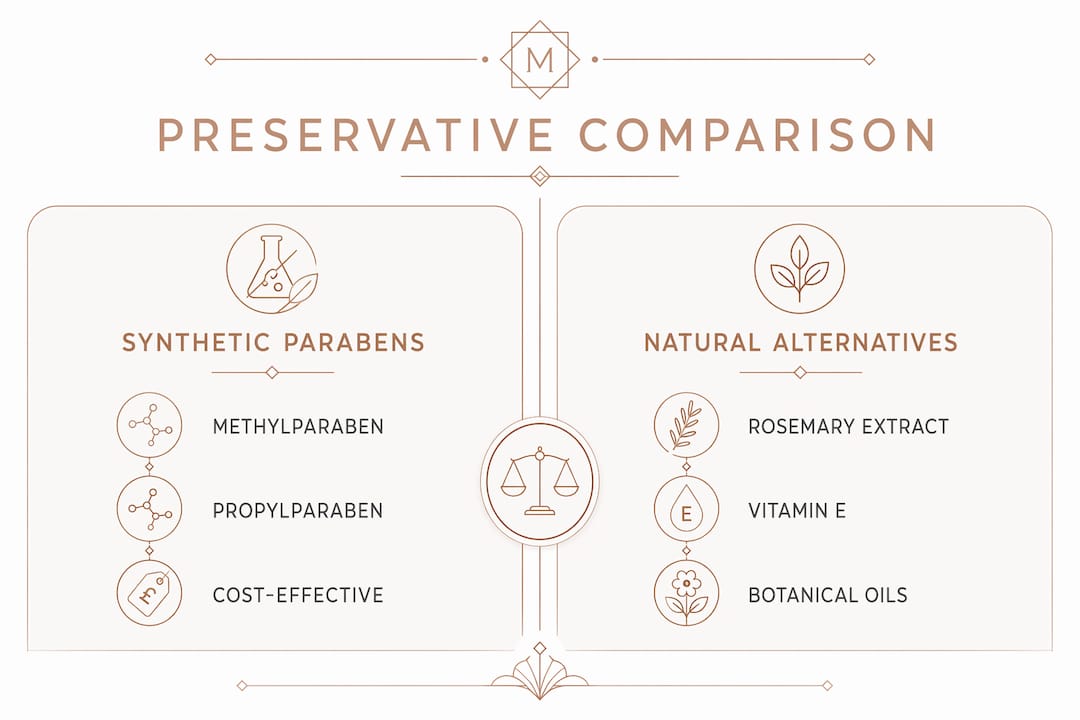
The Polish beauty tradition has always leaned towards botanical ingredients, which made the transition to natural preservatives culturally coherent as well as commercially logical. Orientana, another Polish brand, publishes detailed guides explaining its preservative choices, reflecting a broader industry commitment to transparency.
| Preservative type | Example ingredients | Typical benefit |
|---|---|---|
| Synthetic parabens | Methylparaben, propylparaben | Long shelf life, low cost, broad spectrum |
| Plant-based alternatives | Essential oils, rosemary extract | Gentler on skin, natural origin |
| Natural antibacterials | Coconut oil, shea butter | Moisturising and antimicrobial |
| Modern non-paraben systems | Phenoxyethanol, sodium benzoate | Effective, widely accepted as safer |
Pro Tip: When comparing Polish cosmetics without parabens, check whether the brand lists its full preservative system on the product page. Transparent brands publish complete INCI lists, which tells you exactly what replaces the parabens.
How do natural preservatives in Polish cosmetics work?
Natural preservatives inhibit microbial growth through a different mechanism than synthetic parabens. Rather than disrupting cell membranes at a chemical level, plant-based compounds like tea tree oil, rosemary extract, and neem oil create an environment that is hostile to bacteria and fungi. The effect is real, but the margin for error in formulation is narrower.
Effective natural preservatives require more precise formulation and clearer user instructions than synthetic parabens to maintain product integrity. Here is how Polish brands typically approach this:
- Combine multiple natural agents. No single plant extract covers the full spectrum of microbial threats. Polish formulators layer ingredients such as essential oils, vitamin E, and natural acids to achieve broad protection.
- Reduce water content. Water is the primary environment for microbial growth. Anhydrous formulations (oils, balms, solid products) require far less preservative activity and are inherently more stable.
- Use airtight, hygienic packaging. Pump dispensers and sealed tubes reduce contamination from fingers and air exposure, extending the effective life of natural preservative systems.
- Set realistic shelf-life expectations. Natural deodorants from Polish producers like 4 Szpaki remain effective for 4–5 months with daily use. That is shorter than many synthetic alternatives, but acceptable for consumers who prioritise ingredient quality.
- Provide clear application guidance. Consumers should apply natural preservative cosmetics only to dry skin and avoid overuse to maintain the efficacy of delicate preservative systems.
The trade-off is real. Natural systems work, but they demand more from both the formulator and the person using the product.
What are the skin health benefits of paraben-free Polish cosmetics?
The primary benefit of choosing paraben-free Polish cosmetics is reduced risk of irritation for people with sensitive or reactive skin. Polish dermocosmetic brands avoid synthetic parabens to reduce secondary allergic reactions, not because parabens are outright dangerous, but because eliminating a potential irritant simplifies the formula. For people with eczema, rosacea, or atopic skin, a shorter ingredient list with recognisable natural components is genuinely lower risk.
One critical point: paraben-free does not mean preservative-free. Polish manufacturers use modern, non-paraben preservative systems to prevent contamination in water-based cosmetics. An unpreserved product is not safer. It is a contamination risk. Any brand claiming to be entirely preservative-free with a water-based formula is either misleading you or selling a product with a very short shelf life.
Benefits for specific skin types:
- Sensitive skin: fewer synthetic compounds means fewer potential triggers for redness or itching
- Ageing skin: natural preservative systems often include antioxidant-rich ingredients like vitamin E and rosemary, which offer additional skin benefits
- Acne-prone skin: plant-based formulations from brands like Pharmaceris tend to avoid pore-clogging synthetic additives alongside parabens
- Atopic skin: products such as the AA Oceanic Help Atopic Skin range are specifically formulated without synthetic preservatives for the most reactive skin types
Paraben-free Polish cosmetics are part of a broader clean beauty trend that balances scientific safety with consumer preference for natural ingredients.
How to identify genuine paraben-free Polish cosmetics
Reading the INCI list is the only reliable way to confirm a product is genuinely free of parabens. INCI stands for International Nomenclature of Cosmetic Ingredients, and every cosmetic sold in the EU must display this list. Look for any ingredient ending in “paraben”: methylparaben, propylparaben, butylparaben, and ethylparaben are the four to watch for.
- Check for the full INCI list on the packaging or the retailer’s product page. If it is absent, that is a red flag.
- Distinguish natural from synthetic preservatives. Phenoxyethanol is synthetic but widely accepted as a paraben alternative. Rosemary extract and vitamin E are natural. Neither group is inherently dangerous, but knowing which you are buying matters.
- Understand shelf life. Natural preservative systems typically give products a shelf life of 12–24 months unopened. Once opened, use within the period indicated by the open-jar symbol on the packaging.
- Be sceptical of “preservative-free” claims on water-based products. Water-based formulations without any preservative system are a safety risk, not a benefit.
- Buy from reputable sources. Retailers like M-shop source directly from Polish manufacturers and list full ingredient information, which removes the guesswork.
Pro Tip: Search the INCI list for the suffix “paraben” using the text search function on any product page. If the word does not appear, the product is paraben-free. Then check what preservative system the brand does use, because that tells you far more about the product’s quality.
Key takeaways
Polish cosmetics lack parabens because consumer demand for natural, plant-based preservatives has driven manufacturers to reformulate, producing products that are gentler on sensitive skin without compromising safety.
| Point | Details |
|---|---|
| Parabens are safe but unpopular | Regulatory bodies permit parabens up to 0.4%, but consumer caution drives Polish brands to avoid them. |
| Natural preservatives replace parabens | Polish brands use essential oils, plant extracts, and shea butter to preserve products naturally. |
| Paraben-free is not preservative-free | Water-based cosmetics always need a preservative system; natural alternatives replace, not remove, this function. |
| Exposure drops quickly | Switching to paraben-free products reduces paraben metabolites by around 44% within days. |
| INCI lists are your best tool | Check for any ingredient ending in “paraben” to confirm a product’s status before buying. |
Why the paraben-free shift in Polish cosmetics matters more than you think
I have been watching the Polish beauty market for years, and the paraben-free trend is not a passing marketing phase. It reflects something more structural: Polish consumers became ingredient-literate faster than most European markets. They started reading INCI lists, asking questions, and choosing brands that answered honestly. That pressure forced manufacturers to genuinely reformulate, not just relabel.
What surprises most people is that the science never condemned parabens outright. The EU and health authorities still consider them safe within limits. The shift happened because consumers decided that “safe within limits” was not the same as “what I want on my skin every day.” That is a legitimate position, and Polish brands respected it rather than fighting it.
The practical implication for anyone buying Polish cosmetics in the UK is this: the paraben-free claim on a Polish product is almost always backed by a real reformulation, not a marketing shortcut. Brands like Biały Jeleń and Orientana have built their reputations on ingredient transparency. When you buy from a trusted source like M-shop, you are getting products where the paraben-free claim has been verified through direct supplier relationships, not just taken at face value from a distributor’s catalogue.
My advice for people with sensitive or reactive skin is to look beyond the paraben-free label and read what the brand uses instead. A product with rosemary extract, vitamin E, and coconut oil as its preservative base is telling you something meaningful about its formulation philosophy. That is the kind of Polish sensitive skin product worth investing in.
— Krzysztof
Discover paraben-free Polish cosmetics at M-shop
M-shop stocks a carefully selected range of Polish cosmetics without parabens, sourced directly from manufacturers who publish full INCI lists and use natural preservative systems. Whether you are looking for daily skincare, body care, or specialist formulations for sensitive skin, the range covers every need.
The Biały Jeleń hypoallergenic natural soap is a strong starting point for anyone new to paraben-free Polish products. For targeted skincare, the Pharmaceris T Sebostatic Day cream delivers SPF protection in a formula built for sensitive and acne-prone skin. M-shop operates as a family-run business with direct ties to Polish suppliers, so every product on the site has been personally vetted. Browse the full range at m-shop.uk and use the ingredient filter to find exactly what your skin needs.
FAQ
What does “paraben-free” actually mean on a Polish cosmetic?
Paraben-free means the product contains none of the four main synthetic parabens: methylparaben, ethylparaben, propylparaben, or butylparaben. The product still contains a preservative system, just one built from alternative ingredients.
Do Polish cosmetics contain parabens at all?
Most modern Polish cosmetics are formulated without parabens, driven by consumer preference for natural ingredients. Some older or conventional formulations may still contain them, so checking the INCI list remains the only reliable confirmation.
Are paraben-free cosmetics safer for sensitive skin?
Paraben-free formulations reduce the number of potential irritants, which benefits people with sensitive, reactive, or atopic skin. Polish dermocosmetic brands specifically avoid synthetic parabens to lower the risk of secondary allergic reactions.
What preservatives do Polish natural cosmetics use instead of parabens?
Polish brands commonly use essential oils, rosemary extract, vitamin E, coconut oil, and shea butter as natural preservative agents. Some also use phenoxyethanol or sodium benzoate as modern, widely accepted synthetic alternatives that are not parabens.
How quickly does switching to paraben-free products make a difference?
Research on paraben metabolites shows that switching to products free of synthetic parabens reduces internal exposure by around 44% within just a few days of changing your routine.