



How polish hand cream is formulated: 2026 guide
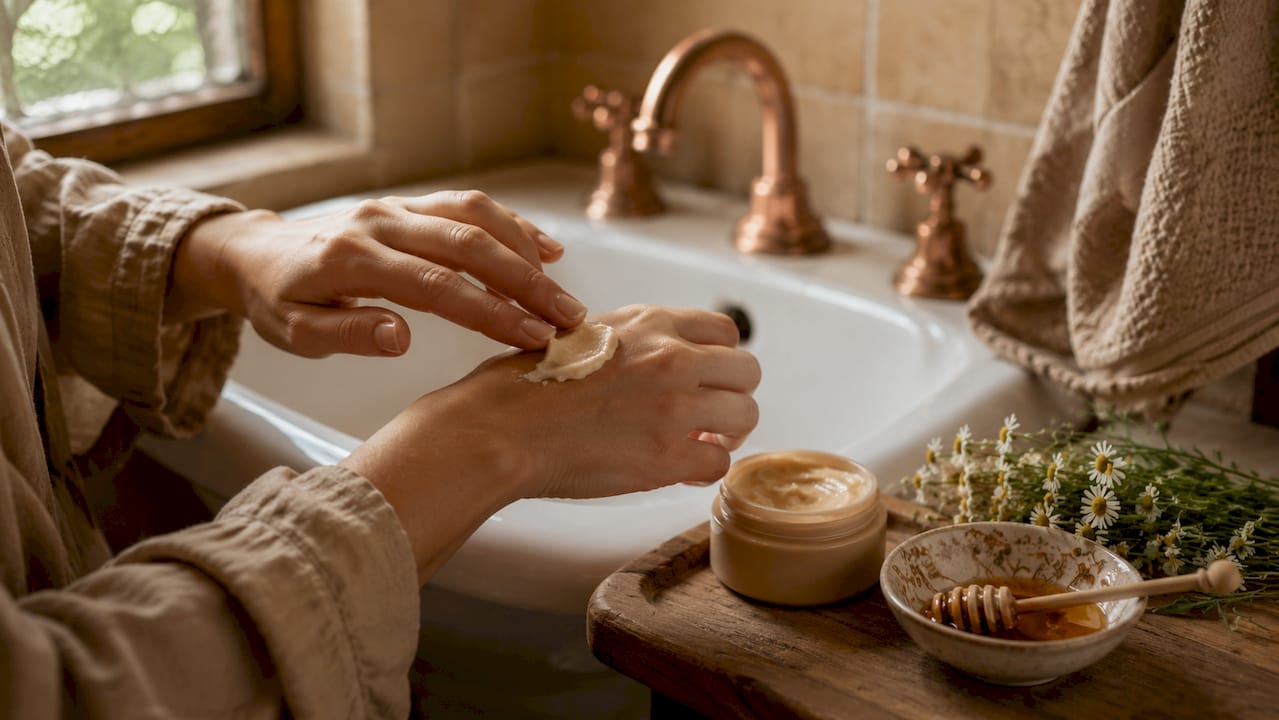
Polish hand cream is defined as an emulsion formulated to deliver moisturisation, barrier protection, and skin repair through a precise balance of humectants, occlusives, emollients, and active ingredients. Understanding how Polish hand cream is formulated reveals why these products consistently outperform generic alternatives. Brands such as Farmona, Bielenda Professional, and AA Oceanic have built their reputations on ingredient science, not marketing claims. The formulation process combines pH control, texture engineering, and microbiome-friendly actives to produce creams that absorb quickly, protect effectively, and feel pleasant on skin.
How polish hand cream is formulated: core ingredients
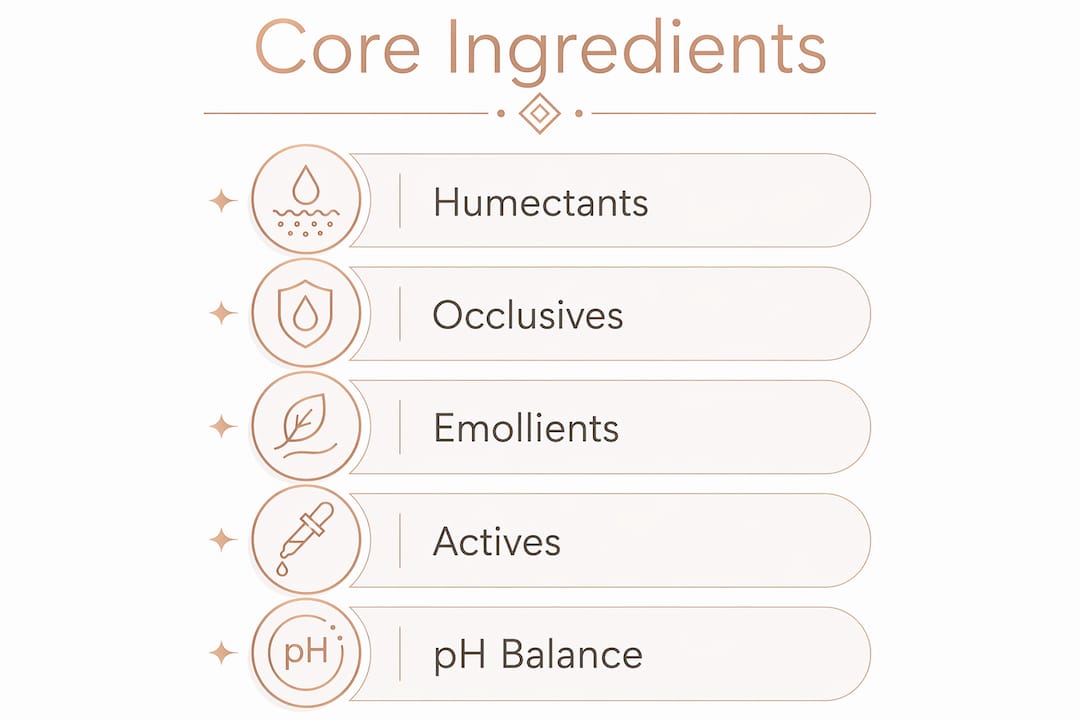
The hand cream formulation process begins with selecting ingredients across four functional categories: humectants, occlusives, emollients, and actives. Each category plays a distinct role, and the skill lies in balancing them so no single property dominates.
Humectants draw water into the skin from the environment and deeper skin layers. Glycerin is the most widely used, but advanced Polish formulations go further. Polish hand creams often use a complex hyaluronic acid system combining different molecular weights for immediate surface hydration and longer-term skin care, alongside osmoregulatory humectants like betaine and allantoin for skin smoothing. That combination addresses both the surface and the deeper layers of the epidermis simultaneously.
Occlusives seal moisture in by forming a physical barrier on the skin surface. Shea butter, paraffin, and beeswax are the most common choices. Shea butter also contributes anti-inflammatory fatty acids, making it both functional and beneficial. Paraffin, despite its unglamorous reputation, remains one of the most effective sealants available.
Emollients fill the gaps between skin cells, improving texture and flexibility. Jojoba oil and squalane are the preferred choices in quality Polish formulations. Squalane, derived from sugarcane or olives, absorbs without residue and suits sensitive skin well.
Actives are where Polish formulations genuinely distinguish themselves. Allantoin accelerates cell renewal and soothes irritation. Niacinamide strengthens the skin barrier and reduces redness. Peptides signal the skin to produce collagen. Industry-standard formulations now incorporate Lactobacillus ferments to reduce transepidermal water loss and support the skin’s microbiome. This microbiome-friendly approach is an emerging trend that reduces irritation caused by frequent hand washing.
- Glycerin, betaine, and hyaluronic acid derivatives for layered hydration
- Shea butter and paraffin as primary occlusives for barrier sealing
- Jojoba oil and squalane as lightweight emollients
- Lactobacillus ferments for microbiome support
- Allantoin, niacinamide, and peptides as barrier-repairing actives
- Vitamin E and plant extracts as antioxidant protection
Pro Tip: When reading a hand cream ingredient list, look for allantoin and niacinamide in the top half of the list. Their position indicates a meaningful concentration, not a token addition.
What does the hand cream manufacturing process involve?
The hand cream manufacturing process follows a precise sequence. Deviating from it compromises stability, texture, or efficacy. Here is how quality Polish hand creams are produced.
-
Prepare the water phase. Dissolve all water-soluble ingredients, including glycerin, humectants, and water-soluble actives, in purified water. Heat to approximately 75–80°C to sterilise and aid dissolution. Water is the biggest contamination risk in cream formulations, so strict sanitisation and water activity control are non-negotiable for microbial stability and shelf life.
-
Prepare the oil phase. Melt all oil-soluble ingredients, including shea butter, emulsifiers, and occlusives, in a separate vessel at the same temperature. Matching temperatures between phases is critical for stable emulsion formation.
-
Combine phases under high-shear homogenisation. Add the water phase to the oil phase slowly while mixing at high speed. This breaks droplets into a uniform suspension and creates the emulsion. The quality of this step determines the cream’s final texture and stability.
-
Cool down to below 40°C. This is the most technically sensitive stage. Heat-labile actives such as vitamin E, Lactobacillus ferments, and certain peptides degrade if added during the hot phase. Adding them only after the batch cools preserves their skin-beneficial properties in the finished product.
-
Adjust pH to 5.2–5.8. Skin’s natural pH sits around 5.4, and matching this range supports the skin barrier and microbiome. Formulations outside this window can disrupt the acid mantle and cause irritation.
-
Add preservatives and fragrance. These are incorporated last to avoid volatilisation or degradation. Preservation must be robust enough to protect the water phase from bacterial growth throughout the product’s shelf life.
-
Quality control testing. Viscosity, pH, microbial counts, and stability under temperature cycling are all verified before release. Stable viscosity around 49,000 mPa·s with no phase separation under temperature variation is the benchmark for a well-formulated professional hand cream.
Pro Tip: If you are experimenting with a DIY hand cream recipe at home, always use a digital thermometer. Adding vitamin E or aloe vera above 40°C is the single most common reason homemade creams lose their skin benefits within weeks.
Non-greasy yet protective: how texture engineering works
Consumers often equate a heavy, greasy feel with efficacy. That assumption is wrong. The real formulation challenge is creating a non-occlusive barrier that lasts through hand washing while remaining pleasant to touch. Polish formulators achieve this through several specific techniques.
The most interesting is the soap-cream base. This involves the in situ saponification of stearic acid with sodium hydroxide during manufacturing. The reaction creates a soap within the cream itself, producing a waxy but fast-thinning texture that warms and spreads on contact with the palms. The result is occlusive protection without the greasy residue associated with heavy creams.
Emulsifier selection also determines sensory outcome. Formulations using cetearyl olivate and sorbitan olivate, as seen in products like Nécessaire The Hand Cream, produce a skin-like feel because these emulsifiers are structurally similar to the lipids found in the stratum corneum. They stabilise the emulsion while contributing to a smooth, non-tacky finish.
| Approach | Texture Outcome | Best For |
|---|---|---|
| Soap-cream base (stearic acid saponification) | Waxy, fast-thinning | Heavily worked or dry hands |
| Cetearyl olivate / sorbitan olivate emulsifiers | Silky, skin-like | Daily use, sensitive skin |
| High squalane content | Lightweight, rapid absorption | Normal to oily skin types |
| High shea butter content | Rich, protective | Very dry or damaged skin |
Polymer spacing also matters. Small molecules added to the formulation adjust how tightly the polymer network is packed, directly controlling spreadability and how quickly the cream disappears into the skin. This is formulation engineering at its most precise.
- Soap-cream bases balance occlusivity with a clean, non-greasy finish
- Olivate-based emulsifiers mimic skin lipids for a natural sensory feel
- Squalane and jojoba oil lighten texture without reducing protection
- Polymer spacing controls how fast the cream absorbs
How do mānuka honey and propolis improve hand cream efficacy?
Natural actives are not simply marketing additions in quality Polish formulations. Mānuka honey with MGO 823+ and flavonoid-rich bee propolis demonstrate antibacterial, anti-inflammatory, and skin barrier repair properties that are measurable and reproducible. The antibacterial effect of MGO 823+ Mānuka honey is particularly relevant for hand creams, given how frequently hands are exposed to pathogens.
Bee propolis contributes antioxidant protection through its flavonoid content. Verified flavonoid content of 30–35% is the threshold for meaningful efficacy. Below that level, the antioxidant benefit becomes negligible. This is why batch testing is not optional for natural ingredients. Propolis and Mānuka honey vary significantly between harvests, and batch-to-batch variation requires rigorous lab testing to assure consistent potency and shelf life.
Supporting ingredients amplify the effect of these natural actives. Shea butter provides the occlusive base. Jojoba oil delivers emolliency. Vitamin E protects both the skin and the natural actives from oxidative degradation. Aloe vera contributes soothing and additional hydration.
Protecting natural actives during manufacturing requires specific measures. Heat degrades both honey enzymes and flavonoids, so these ingredients are always added during the cool-down phase. Antioxidant packaging, such as airless pumps or opaque tubes, further extends their stability in the finished product.
- MGO 823+ Mānuka honey provides antibacterial and barrier repair benefits
- Propolis requires 30–35% verified flavonoid content for antioxidant efficacy
- Batch testing of natural ingredients is mandatory for consistent results
- Cool-down phase addition protects heat-sensitive natural actives
- Shea butter, jojoba oil, and vitamin E support and stabilise natural actives
You can explore how probiotic and ferment-based ingredients are reshaping hand cream formulations for skin health and reduced transepidermal water loss, which pairs well with the natural active approach described above.
Key takeaways
Polish hand cream formulation succeeds when it balances humectants, occlusives, emollients, and actives within a pH of 5.2–5.8, using precise manufacturing stages to preserve every ingredient’s function.
| Point | Details |
|---|---|
| pH is non-negotiable | Formulate at pH 5.2–5.8 to match skin’s acid mantle and protect the microbiome. |
| Cool-down phase protects actives | Add vitamin E, ferments, and natural actives only after the batch cools below 40°C. |
| Texture engineering matters | Soap-cream bases and olivate emulsifiers create non-greasy protection that lasts. |
| Natural actives need batch testing | Propolis and Mānuka honey vary by harvest; lab verification assures consistent efficacy. |
| Microbiome support is the new standard | Lactobacillus ferments reduce transepidermal water loss and suit frequent hand washing. |
Why formulation craft matters more than the ingredient list
I have spent years looking at Polish cosmetics, and the single biggest misconception I encounter is that a longer ingredient list means a better product. It does not. What matters is whether those ingredients were added at the right temperature, in the right concentration, and in the right order.
The cool-down phase rule is a perfect example. I have seen beautifully sourced vitamin E and Lactobacillus ferments rendered useless because they were added too early in a hot batch. The ingredient list looked impressive. The product delivered nothing. That gap between label and reality is where formulation craft lives.
The trend towards microbiome-friendly formulations is one I find genuinely exciting. Hands are washed dozens of times daily, and every wash strips the acid mantle slightly. A cream that actively supports the microbiome rather than just replacing lost moisture is a fundamentally different product. Polish brands have been early adopters of this approach, partly because of their strong pharmaceutical manufacturing heritage.
My honest advice: stop reading marketing copy and start reading the ingredient list from the bottom up. The last few ingredients tell you what the brand actually invested in. If allantoin and niacinamide are near the bottom, they are present at cosmetic concentrations only. If they appear in the top third, you have a product worth your money.
Poland’s cosmetics industry is growing in 2026 precisely because its manufacturers understand this distinction. The craft is in the process, not the packaging.
— Krzysztof
Discover authentic polish hand creams at M-shop
If the formulation detail in this article has made you more selective about what you put on your hands, that is exactly the right response. M-shop sources its hand creams directly from Polish manufacturers who apply the ingredient science and manufacturing standards described here.

The Farmona Herbal Care Nourishing Hand Cream for very dry skin uses olive-derived emollients and barrier-repairing actives in a formulation designed for daily use. For those with sensitive or reactive skin, the Bielenda Professional Luxury Hand and Nail Cream with silk proteins delivers professional-grade hydration with a non-greasy finish. M-shop’s family-run operation means every product is personally selected for ingredient integrity and visible results, with regular sales offering up to 15% off across the range.
FAQ
What pH should a hand cream be formulated at?
A hand cream should be formulated at pH 5.2–5.8 to match the skin’s natural acid mantle. This range supports the microbiome and reduces the risk of irritation.
Why are some ingredients added at the end of manufacturing?
Heat-sensitive actives such as vitamin E, Lactobacillus ferments, and certain peptides degrade at high temperatures. They are added only after the batch cools below 40°C to preserve their efficacy.
What makes polish hand creams different from standard formulations?
Polish hand creams frequently combine microbiome-friendly Lactobacillus ferments, multi-weight hyaluronic acid systems, and pharmaceutical-grade manufacturing standards. That combination produces measurable hydration and barrier repair rather than surface-level moisturisation.
How do formulators create a non-greasy hand cream that still protects?
Soap-cream bases created by saponifying stearic acid with sodium hydroxide produce a waxy texture that thins on contact with skin warmth. Paired with olivate-based emulsifiers, this approach delivers occlusive protection without residue.
Is a DIY hand cream recipe as effective as a commercial formulation?
A DIY hand cream recipe can moisturise effectively but rarely matches commercial stability or active concentration. Without pH adjustment, high-shear homogenisation, and controlled cool-down phases, heat-sensitive actives degrade and emulsions can separate within weeks.