



Polish body lotion ingredients explained: a clear guide
Polish body lotions are defined by a carefully selected blend of functional ingredients designed to hydrate, protect, and soothe the skin while reinforcing its natural barrier. Understanding what goes into these formulations reveals why Polish skincare ingredients consistently deliver visible results. The INCI (International Nomenclature of Cosmetic Ingredients) standard governs ingredient labelling across the EU, but Polish brands frequently go further, providing detailed explanations of each component in Polish to educate their customers. This guide covers the core ingredient categories, how they work together, and what to look for when choosing a body lotion that genuinely performs.
What are the main categories of Polish body lotion ingredients?
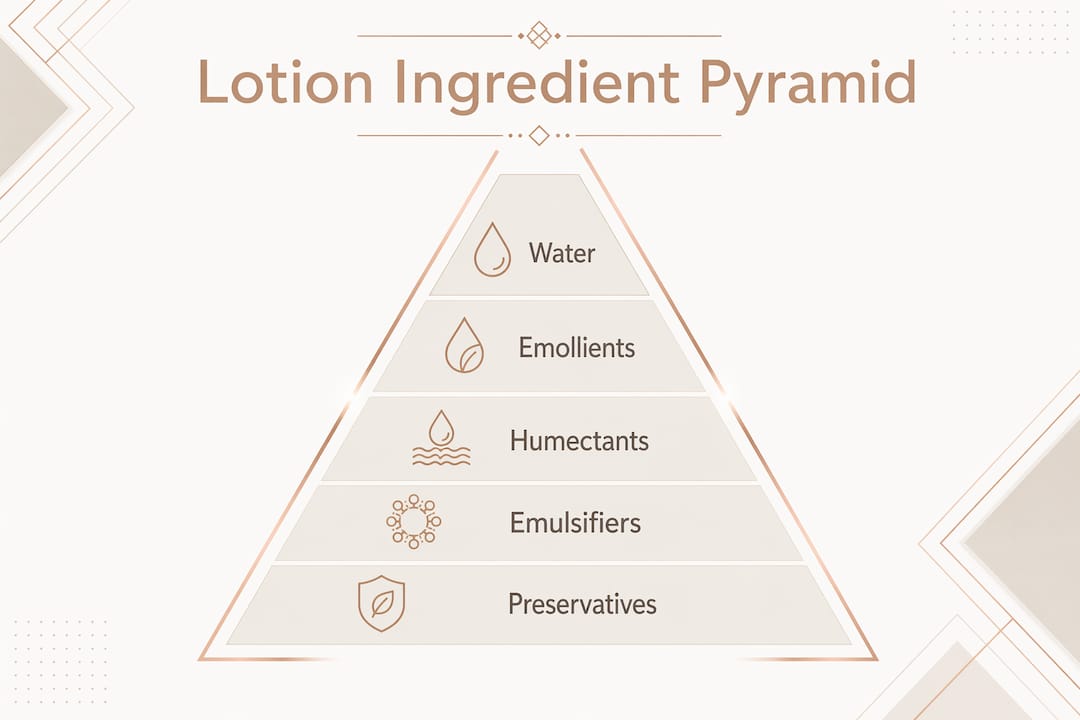
Water typically accounts for 65%–80% of the total body lotion formula. That proportion makes water the primary solvent and the medium through which every other ingredient is delivered to the skin. The remaining formula is built from several distinct ingredient groups, each with a specific function.
Emollients are oils, butters, and esters that soften the skin and reduce water loss. Common examples in Polish body care products include shea butter, squalane, and plant-derived carrier oils such as sweet almond or sunflower oil. Shea butter supplies fatty acids that soften dry skin and reduce transepidermal water loss. That makes it one of the most reliable emollients in body lotion formulations for dry or rough skin.
Humectants draw moisture from the environment and from deeper skin layers into the upper epidermis. Glycerin acts as an effective humectant to draw and hold moisture within the skin. Hyaluronic acid performs a similar role, binding water molecules to maintain a plump, hydrated feel throughout the day.
Emulsifiers are the ingredient category most people overlook. Because water and oil do not mix naturally, emulsifying agents are required to create a stable, uniform lotion texture. Emulsifying waxes such as Polawax, Olivem 1000, and Cetearyl Alcohol ensure formula stability by combining the oil and water phases. Without them, a lotion separates within days.
Preservatives protect the formula from bacterial and fungal contamination. Phenoxyethanol blends and benzyl alcohol systems provide broad-spectrum antimicrobial protection in water-containing lotions. These are not optional additions. Any product with water content requires preservation to remain safe for use.
| Ingredient category | Typical formula percentage | Primary function |
|---|---|---|
| Water | 65%–80% | Base solvent and delivery medium |
| Emollients | 8%–20% | Soften skin, reduce water loss |
| Humectants | 3%–8% | Attract and bind moisture |
| Emulsifying waxes | 3%–6% | Stabilise oil and water phases |
| Preservatives | 0.5%–1.5% | Antimicrobial protection |
How do Polish body lotion ingredients work together?
A high-performing body lotion is not the result of one standout ingredient. Humectants, emollients, and actives work together to support hydration, barrier function, and skin texture as a system. That distinction matters. A lotion with excellent glycerin content but poor emollient coverage will hydrate the skin briefly, then allow moisture to evaporate.
Polish formulations often account for the specific demands of body skin, which is thicker and less sensitive than facial skin but prone to dryness on areas like elbows, knees, and shins. Effective formulations for these areas typically combine higher emollient concentrations with humectants that maintain moisture between applications. The result is a product that softens rough patches while keeping skin hydrated for hours.
The overall lotion performance depends less on standalone hero ingredients and more on how multiple components function together. This is why two lotions with identical ingredient lists can deliver very different results. The concentration, order of addition, and processing method all affect how ingredients interact.
Active ingredients add another layer of function. Niacinamide supports the skin barrier and reduces uneven tone. Ceramides replenish the lipid layer that holds skin cells together. Panthenol, a form of vitamin B5, accelerates skin repair and reduces redness. Polish body care products that include these actives alongside a well-balanced base deliver results that go beyond basic moisturisation.
Pro Tip: When reading a body lotion ingredient list, check whether humectants appear before emollients. If glycerin or hyaluronic acid appears in the top five ingredients, the formula prioritises hydration. If an emollient like shea butter leads, the product leans toward barrier repair. Neither is wrong, but knowing the difference helps you choose for your skin’s specific needs.
What signs indicate authentic natural ingredients in Polish lotions?
The INCI labelling system uses Latin botanical names to identify plant-derived ingredients. Natural essential oils use Latin botanical names indicating authenticity, unlike general terms such as “Parfum,” which may conceal synthetic chemical blends. This distinction is the fastest way to assess whether a Polish lotion’s natural claims are genuine.
Here is what to look for on the label:
- Latin botanical names such as Rosa Damascena Flower Oil or Lavandula Angustifolia Oil confirm the use of genuine plant extracts rather than synthetic equivalents.
- “Parfum” or “Fragrance” listed without further detail typically indicates a synthetic fragrance blend. Authentic natural products name each aromatic component individually.
- Peptide names such as Palmitoyl Tripeptide-5 appear in premium Polish ingredient breakdowns, confirming the use of biocompatible actives that support skin elasticity without synthetic shortcuts.
- Ingredient explanations in Polish are a hallmark of transparent Polish premium brands. These brands go beyond EU INCI requirements to explain what each ingredient does for the skin, building consumer trust through education.
- Short ingredient lists with recognisable names generally indicate fewer synthetic fillers. A list dominated by unfamiliar chemical abbreviations warrants closer scrutiny.
Pro Tip: Cross-reference the ingredient list with the EU’s CosIng database, which is publicly available online. It lists every approved cosmetic ingredient with its function and safety status. If an ingredient appears there under a botanical name, it is genuine. If it appears only under a chemical synonym, it is likely synthetic.
Purchasing from a trusted source matters as much as reading labels. M-shop sources products directly from Poland, which reduces the risk of counterfeit or mislabelled products reaching UK customers. You can also explore Polish sensitive skin products for formulations where ingredient transparency is particularly critical.
Which ingredients should you look for in Polish body lotions for dry or sensitive skin?
Dry and sensitive skin require different ingredient priorities, though there is significant overlap. The most effective Polish body lotions for these concerns combine soothing agents with barrier-supporting emollients and gentle humectants.
For dry skin, the key ingredients are:
- Shea butter: a rich emollient that reduces roughness and seals in moisture
- Glycerin: draws water into the skin and maintains hydration levels throughout the day
- Squalane: a lightweight oil that mimics the skin’s natural sebum, absorbing quickly without greasiness
- Ceramides: replenish the lipid barrier that prevents moisture loss in chronically dry skin
- Niacinamide: supports barrier repair and reduces the appearance of dry, uneven patches
For sensitive skin, the priority shifts toward calming and reducing irritation:
- Oat extracts, aloe, and panthenol provide soothing support in body care formulations designed for sensitive or stressed skin. Oat extract in particular contains beta-glucan, which reduces redness and strengthens the skin’s tolerance to environmental triggers.
- Fragrance-free formulations remove the most common cause of contact dermatitis in body lotions. Look for products that list no “Parfum” entry.
- Allantoin accelerates cell renewal and calms irritated skin without causing sensitivity reactions.
The benefits of body lotion extend well beyond basic hydration when the formulation is matched to the skin’s actual needs. A lotion chosen for dry skin that contains high fragrance levels will counteract its own moisturising benefits by triggering irritation. Matching ingredients to skin type is not optional. It is the difference between a product that works and one that sits unused.
You can also find body lotion ingredient parallels in Polish face care. Polish face cream formulations use many of the same actives, such as ceramides and niacinamide, which helps readers understand ingredient functions across the full skincare range.
Key takeaways
Polish body lotion performance depends on ingredient synergy across water, emollient, humectant, emulsifier, and active categories, not on any single hero component.
| Point | Details |
|---|---|
| Water dominates the formula | Water makes up 65%–80% of body lotion, making it the primary delivery medium for all other ingredients. |
| Emollients and humectants work as a pair | Humectants attract moisture; emollients seal it in. Both are needed for lasting hydration. |
| INCI Latin names confirm natural ingredients | Botanical Latin names on the label indicate genuine plant extracts, unlike “Parfum,” which may hide synthetic blends. |
| Preservatives are non-negotiable | Any water-containing formula requires preservatives such as phenoxyethanol to remain safe and shelf-stable. |
| Formulation synergy outweighs single ingredients | Expert evaluation confirms that how ingredients work together determines lotion performance, not individual components alone. |
Why ingredient transparency in Polish body lotions matters more than marketing claims
I have spent years reading cosmetic ingredient lists, and the single most reliable signal of a quality Polish body lotion is not the front-of-pack claim. It is the ingredient list on the back.
Polish premium brands have built a genuine culture of ingredient transparency that goes beyond what EU regulations require. They explain what each component does, in Polish, to their own customers. That is not a marketing tactic. It is a sign that the brand trusts its formulation enough to be specific about it. When I see a brand that lists Rosa Damascena Flower Oil rather than just “rose fragrance,” I know the formulation team made a deliberate choice to use the real thing.
The part that surprises most people is how little the “hero ingredient” on the front of the pack actually tells you. I have seen lotions marketed around a single exotic oil that appears near the bottom of the ingredient list, well below the preservatives. Concentration matters. Position on the INCI list matters. The first five ingredients make up the bulk of the formula. Everything after that is present in smaller amounts.
My honest advice is this: spend two minutes reading the full ingredient list before you buy. Check whether the humectants and emollients appear early. Check whether “Parfum” is the only fragrance entry. Check whether the brand explains what its actives actually do. Those three checks will tell you more about a product than any marketing copy ever will. Polish skincare culture, at its best, makes those checks easy. That is worth supporting.
— Krzysztof
Trusted Polish body lotions and skincare at M-shop
M-shop brings carefully selected Polish cosmetics directly to customers in the UK, with a focus on formulations that use genuine natural ingredients and transparent labelling. The range includes products suited to dry and sensitive skin, with ingredient profiles that reflect the formulation quality covered throughout this guide.
Whether you are looking for a collagen-rich moisturiser or a fragrance-free option for reactive skin, M-shop’s selection covers the full range of needs. The Celia Collagen + Algae moisturiser is a strong starting point for those seeking active ingredients in a lightweight formula. For broader skincare needs, the full M-shop range at m-shop.uk includes Polish body care products with up to 15% off during sales, making quality Polish skincare genuinely accessible in the UK.
FAQ
What does water do in a body lotion formula?
Water is the base solvent in body lotion, typically making up 65%–80% of the formula. It dissolves water-soluble ingredients and acts as the primary delivery medium for humectants and actives.
What is the difference between a humectant and an emollient?
A humectant such as glycerin draws moisture into the skin from the environment. An emollient such as shea butter softens the skin and forms a barrier that prevents that moisture from evaporating.
How can I tell if a Polish body lotion uses real natural ingredients?
Look for Latin botanical names on the INCI list, such as Lavandula Angustifolia Oil. If the label lists only “Parfum” without naming individual plant oils, the fragrance is likely synthetic.
Are preservatives in body lotions safe?
Preservatives such as phenoxyethanol and benzyl alcohol are approved under EU cosmetic regulations and are required in any water-containing formula to prevent bacterial growth. They are safe at regulated concentrations.
Why do Polish brands explain their ingredients in Polish?
Premium Polish cosmetic brands go beyond standard EU INCI labelling by providing ingredient explanations in Polish to educate their customers. This practice reflects a commitment to consumer trust and formulation transparency that distinguishes Polish skincare culture from many other markets.